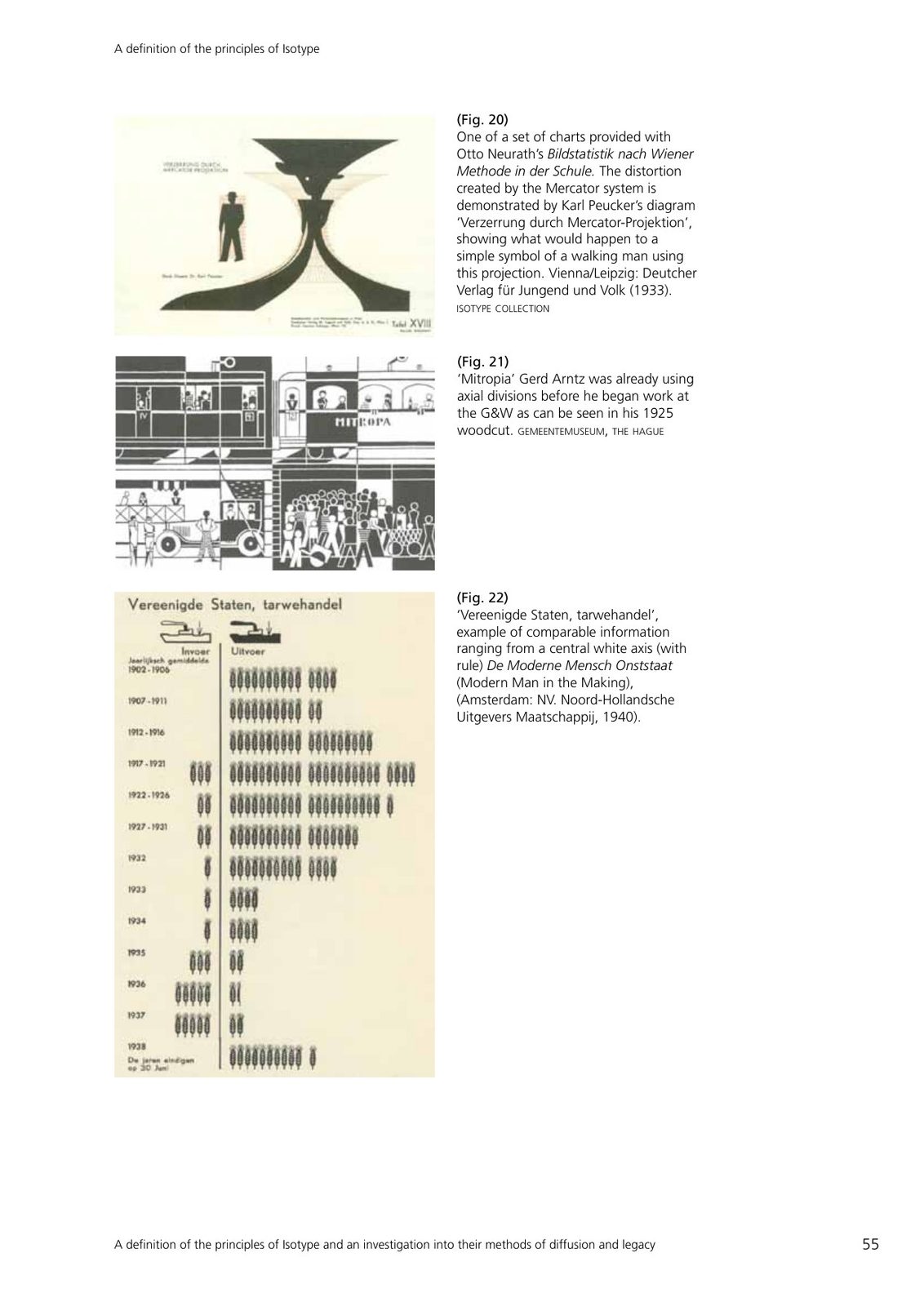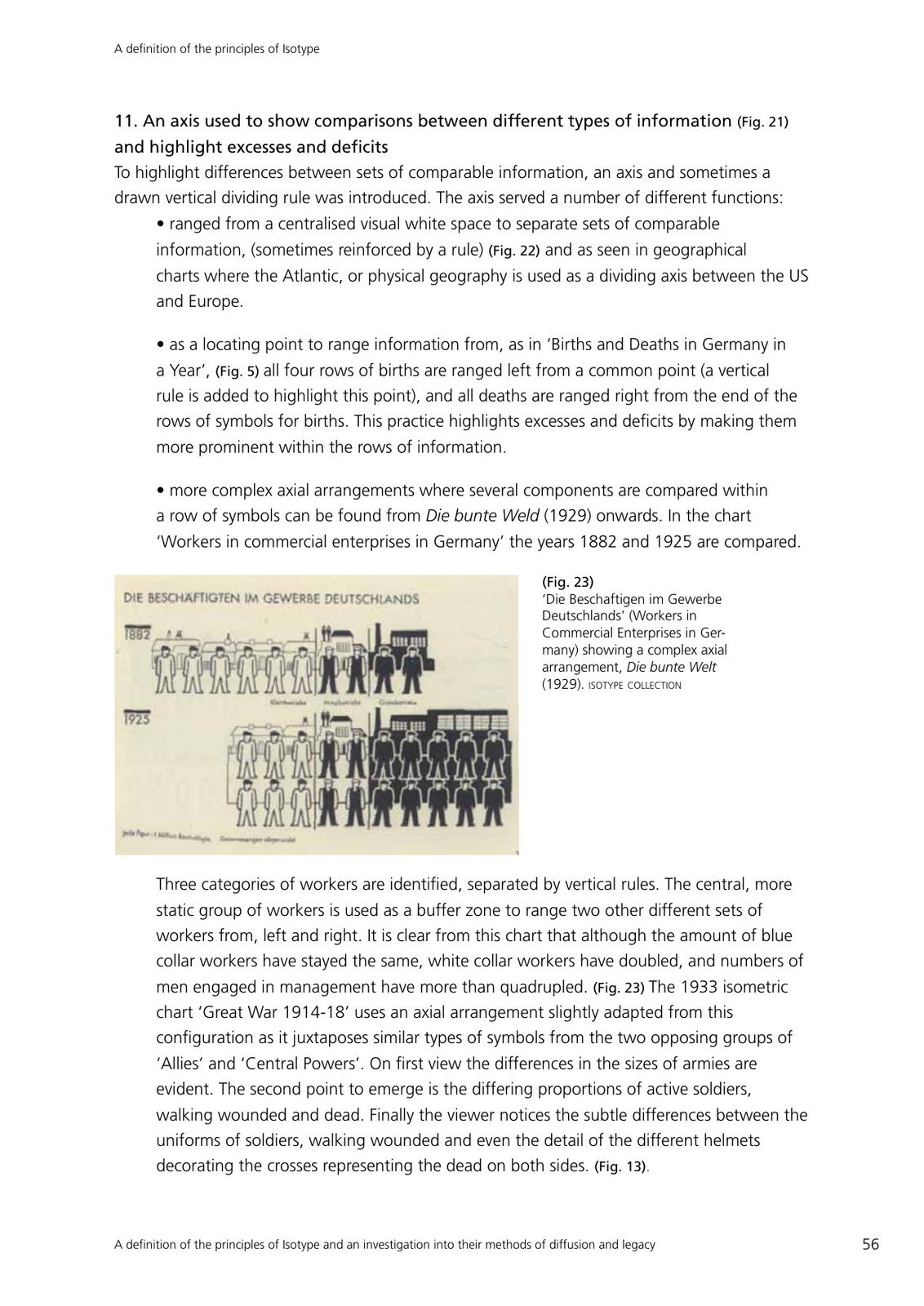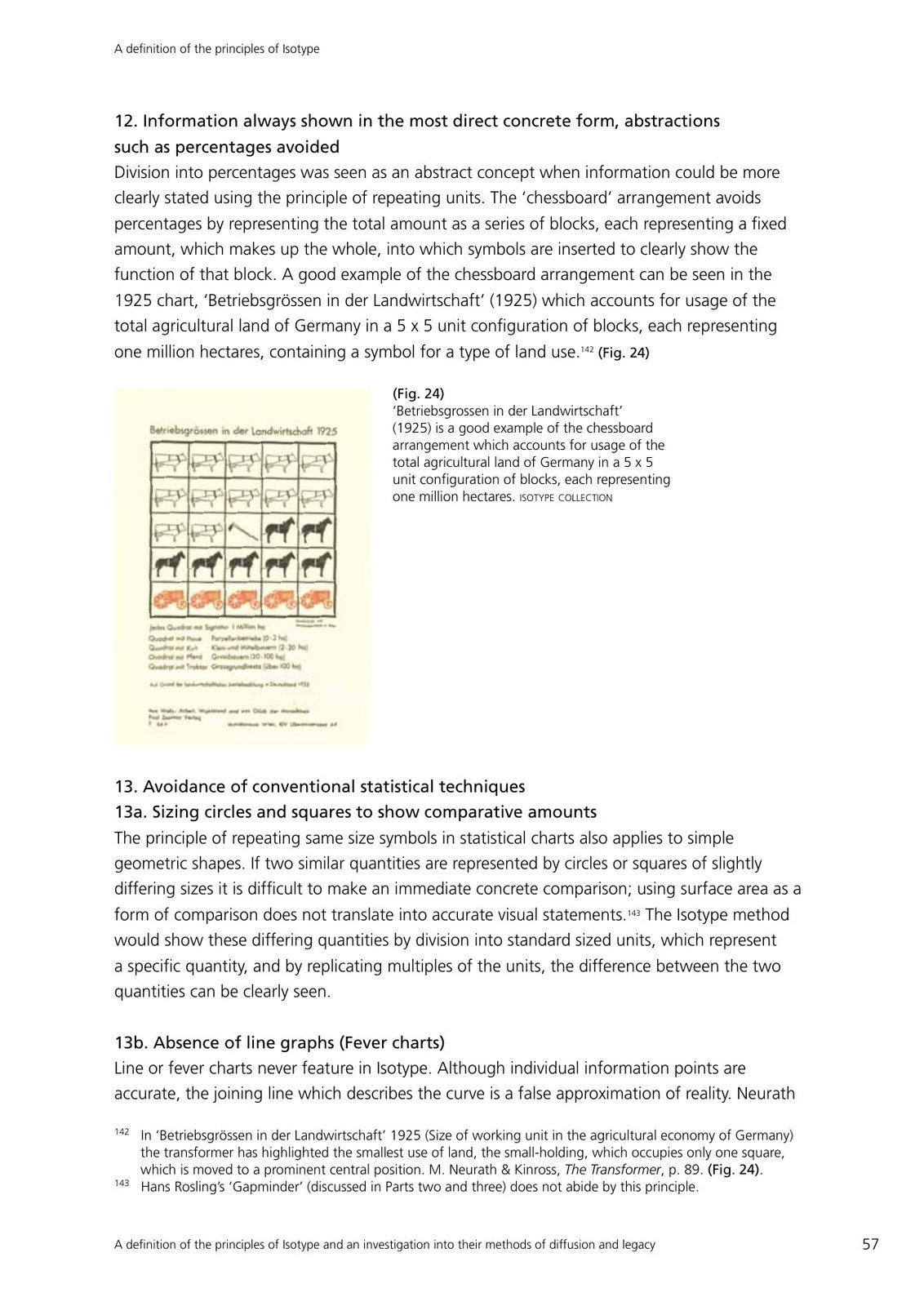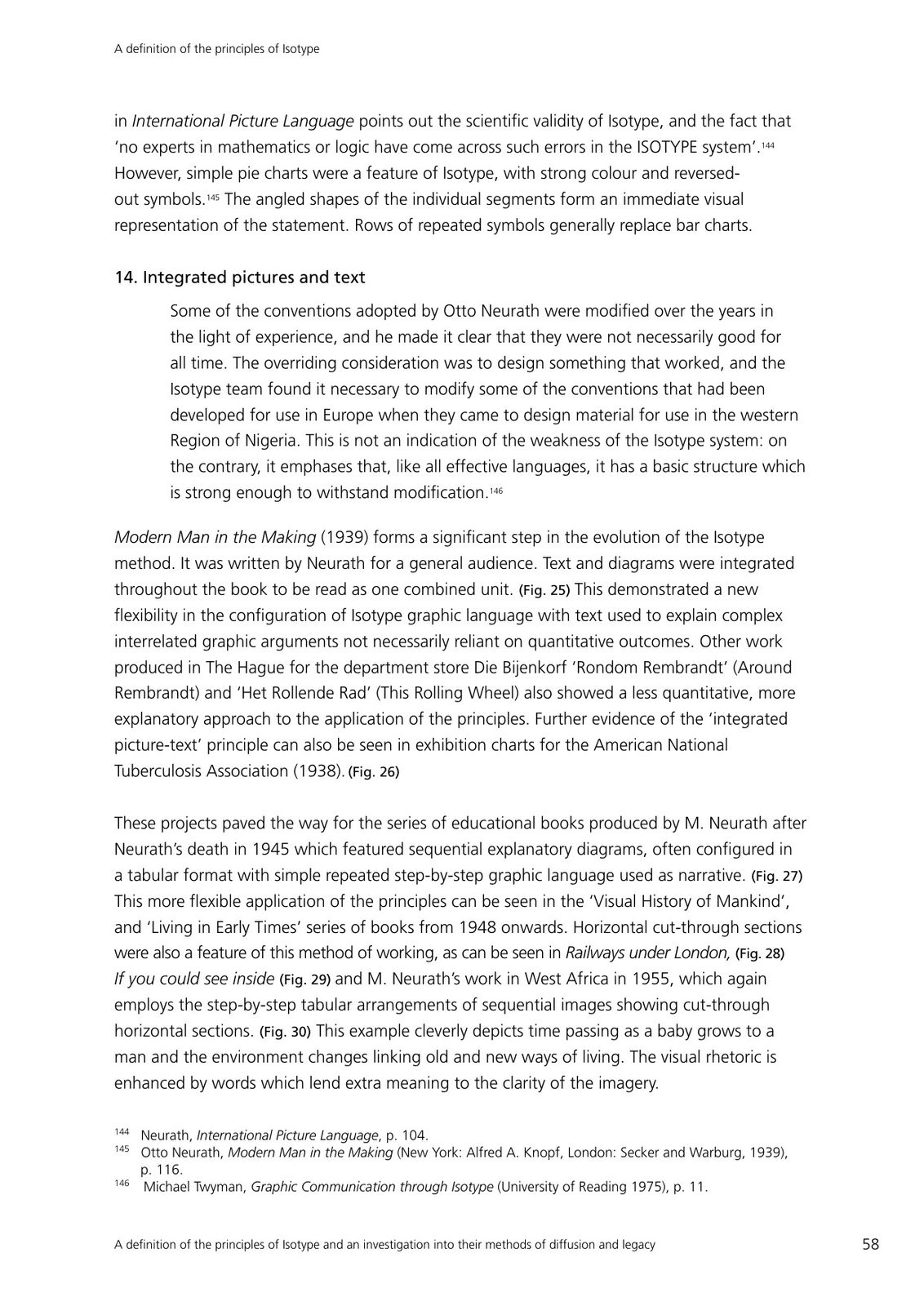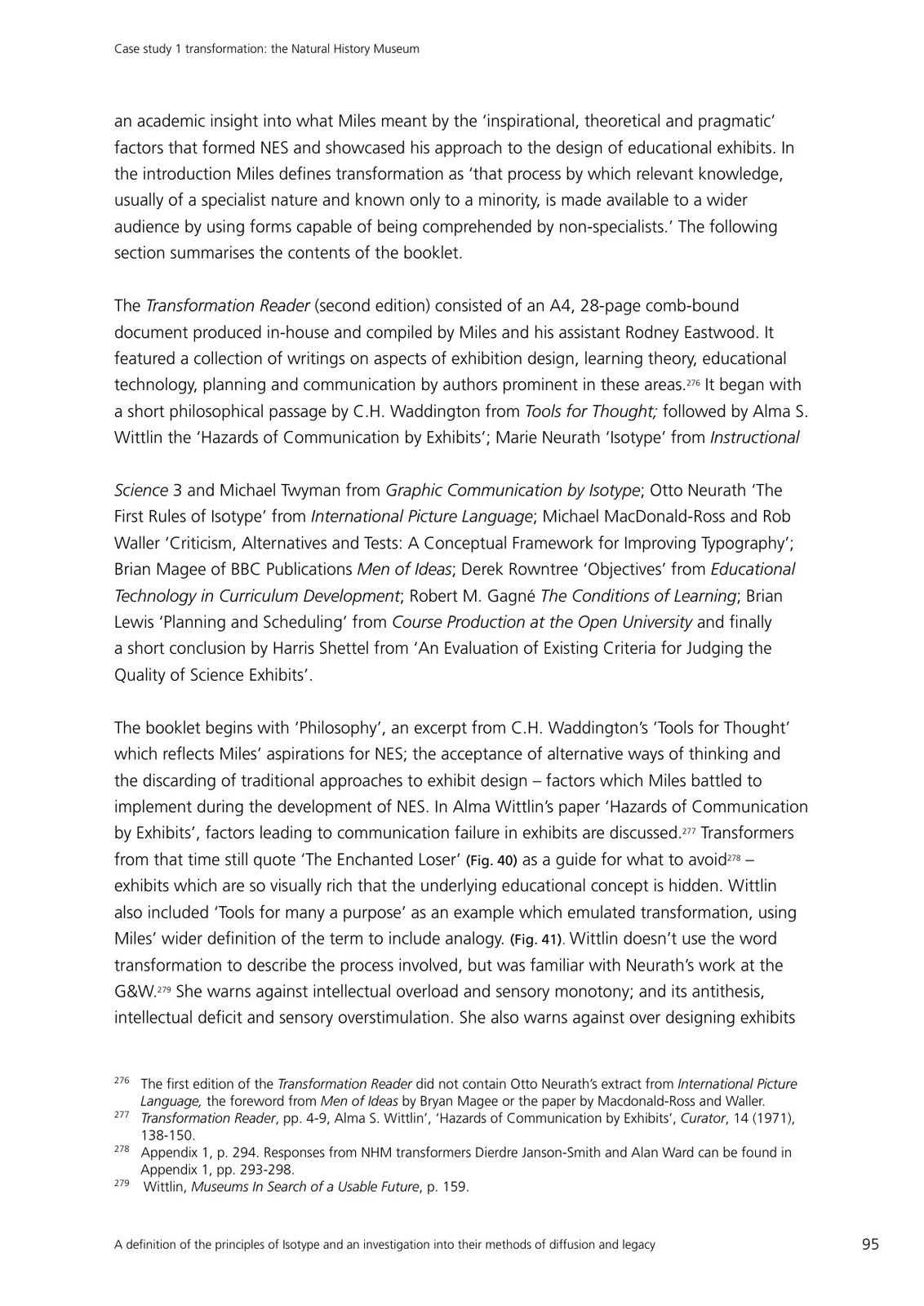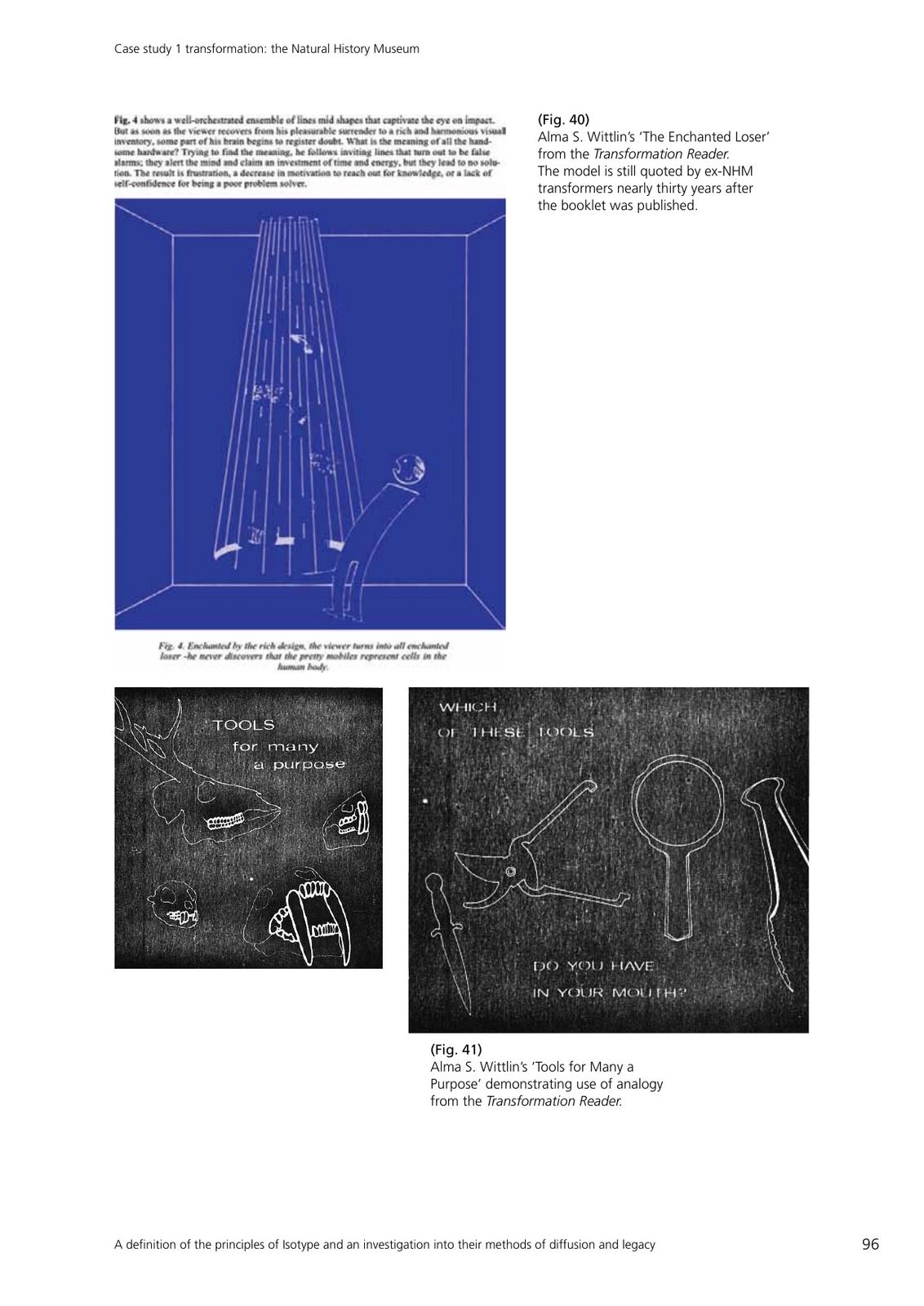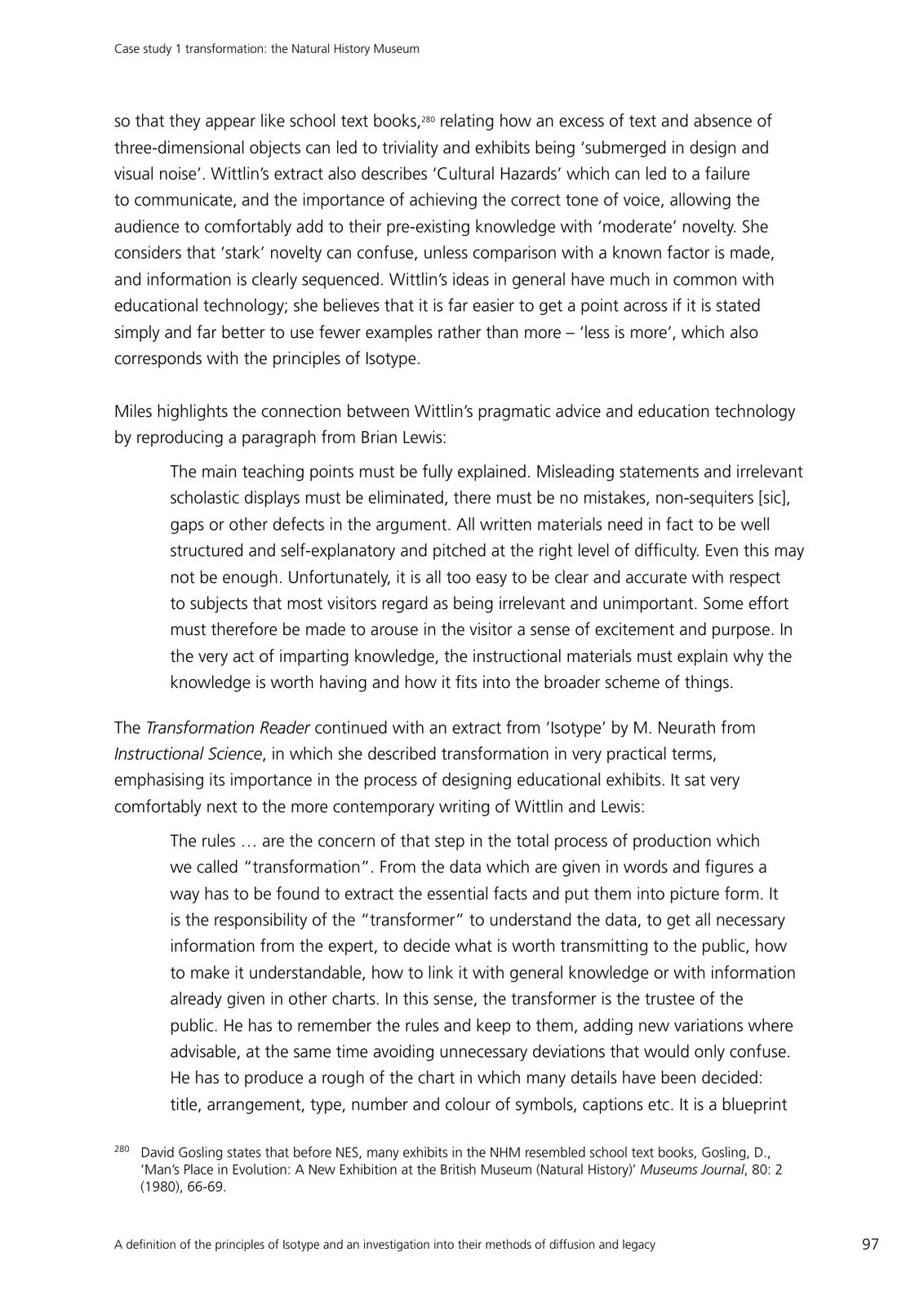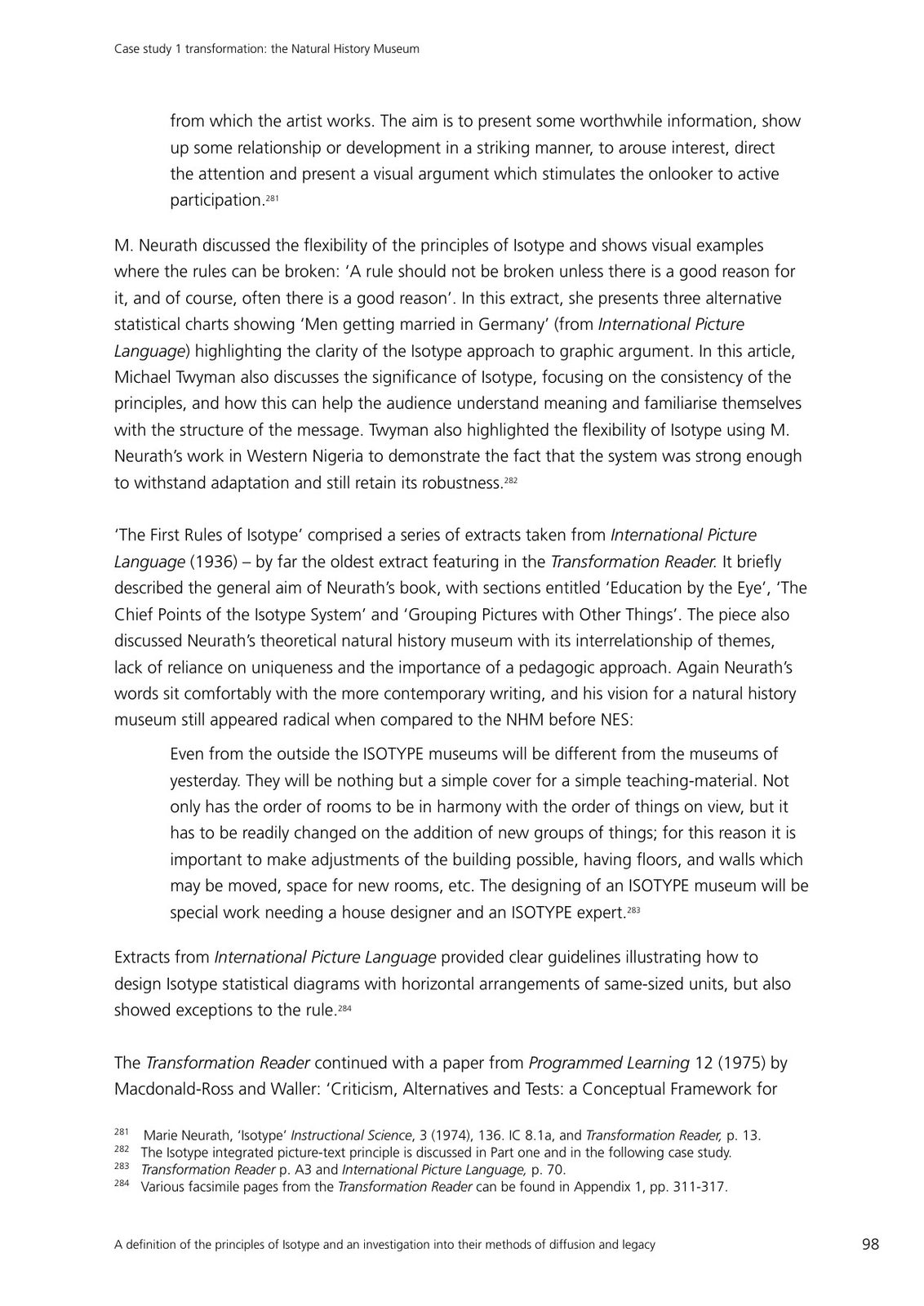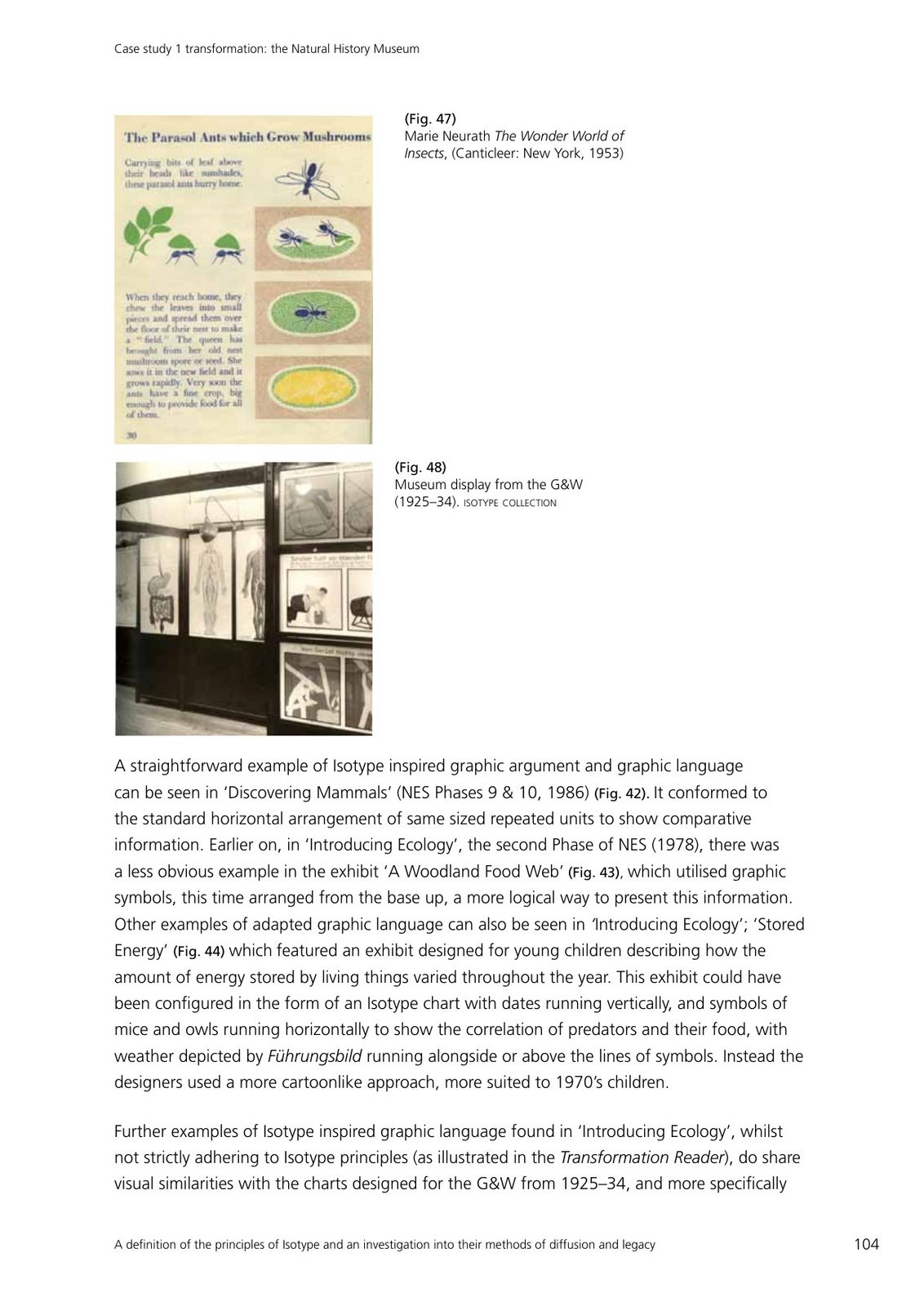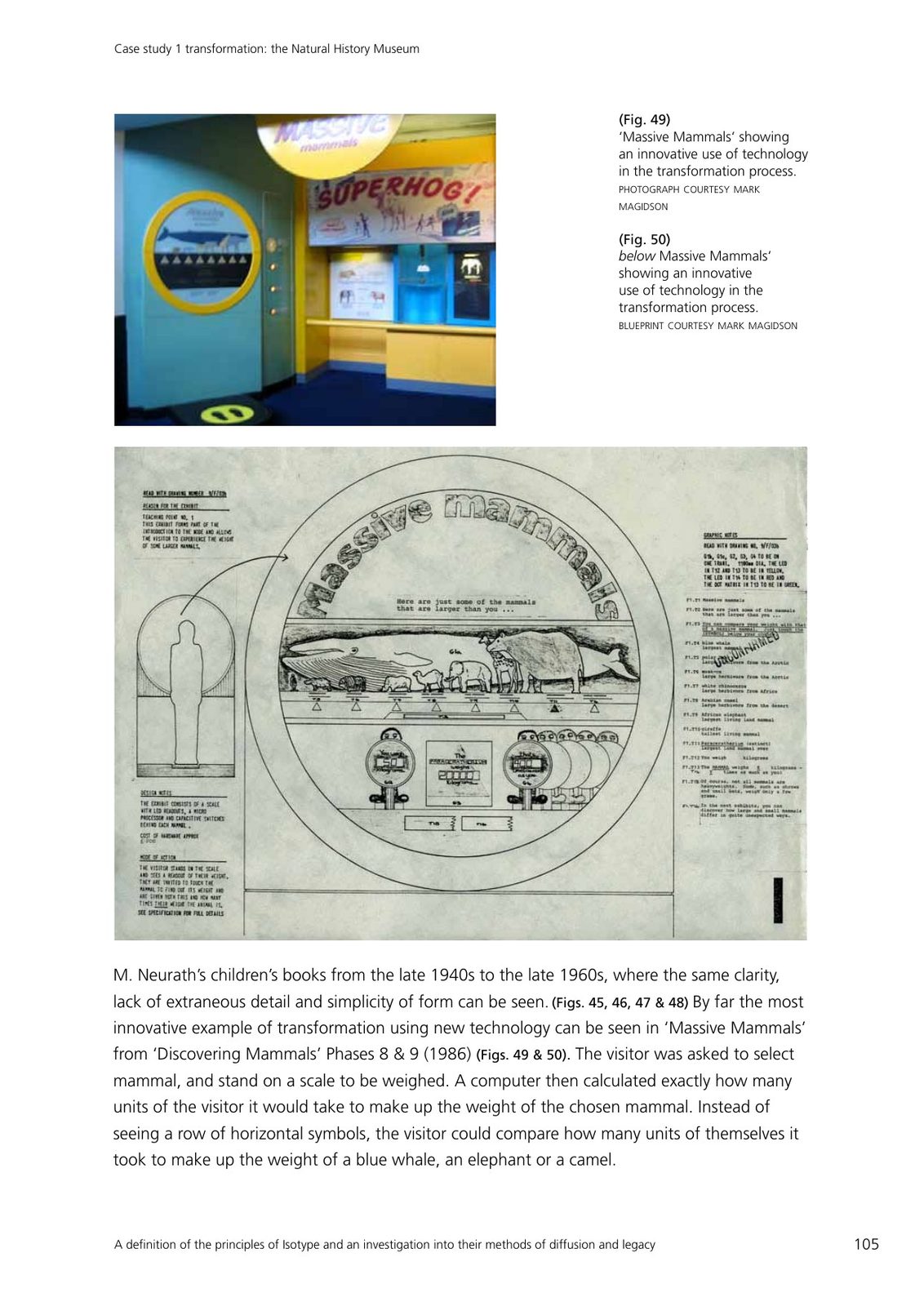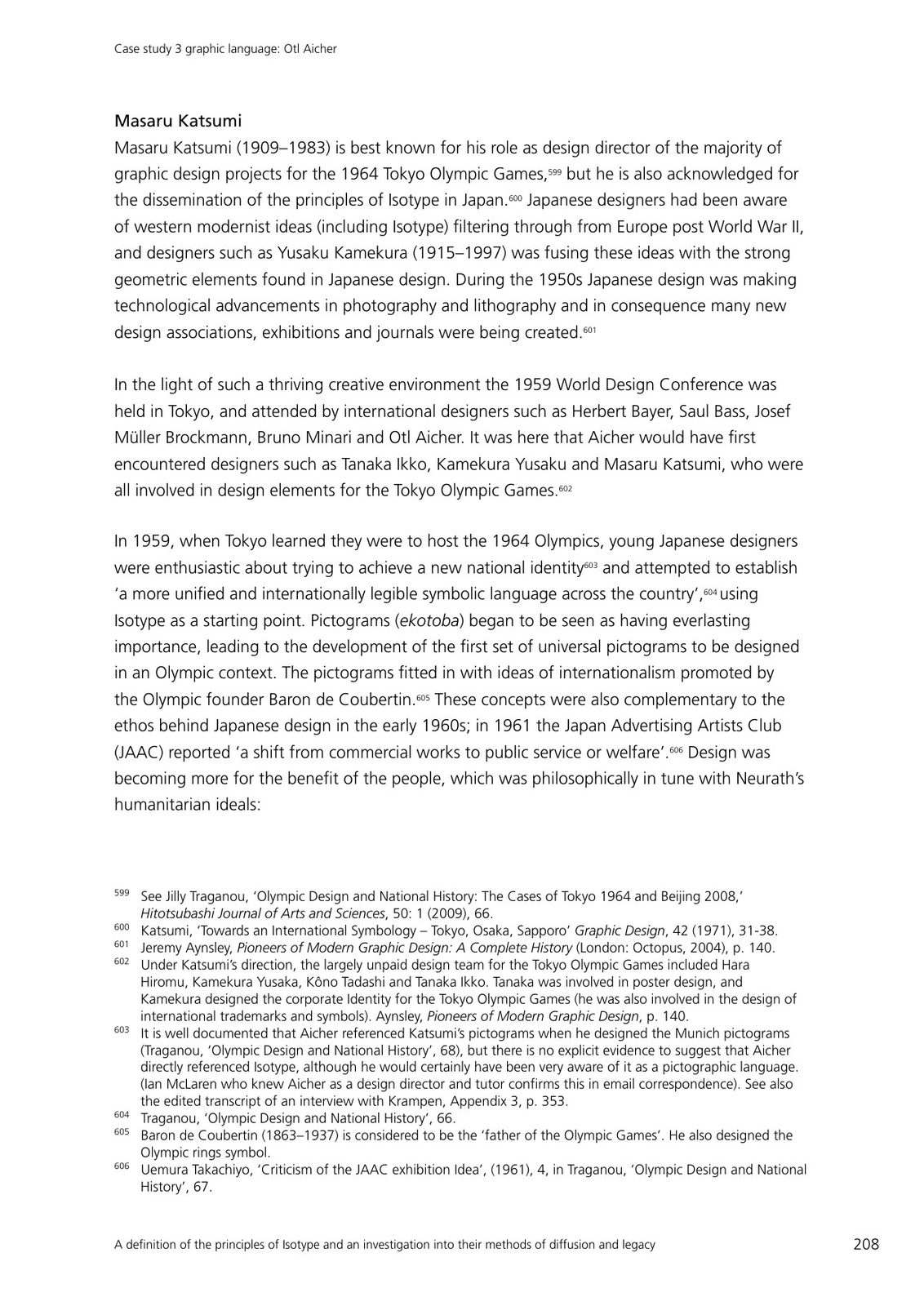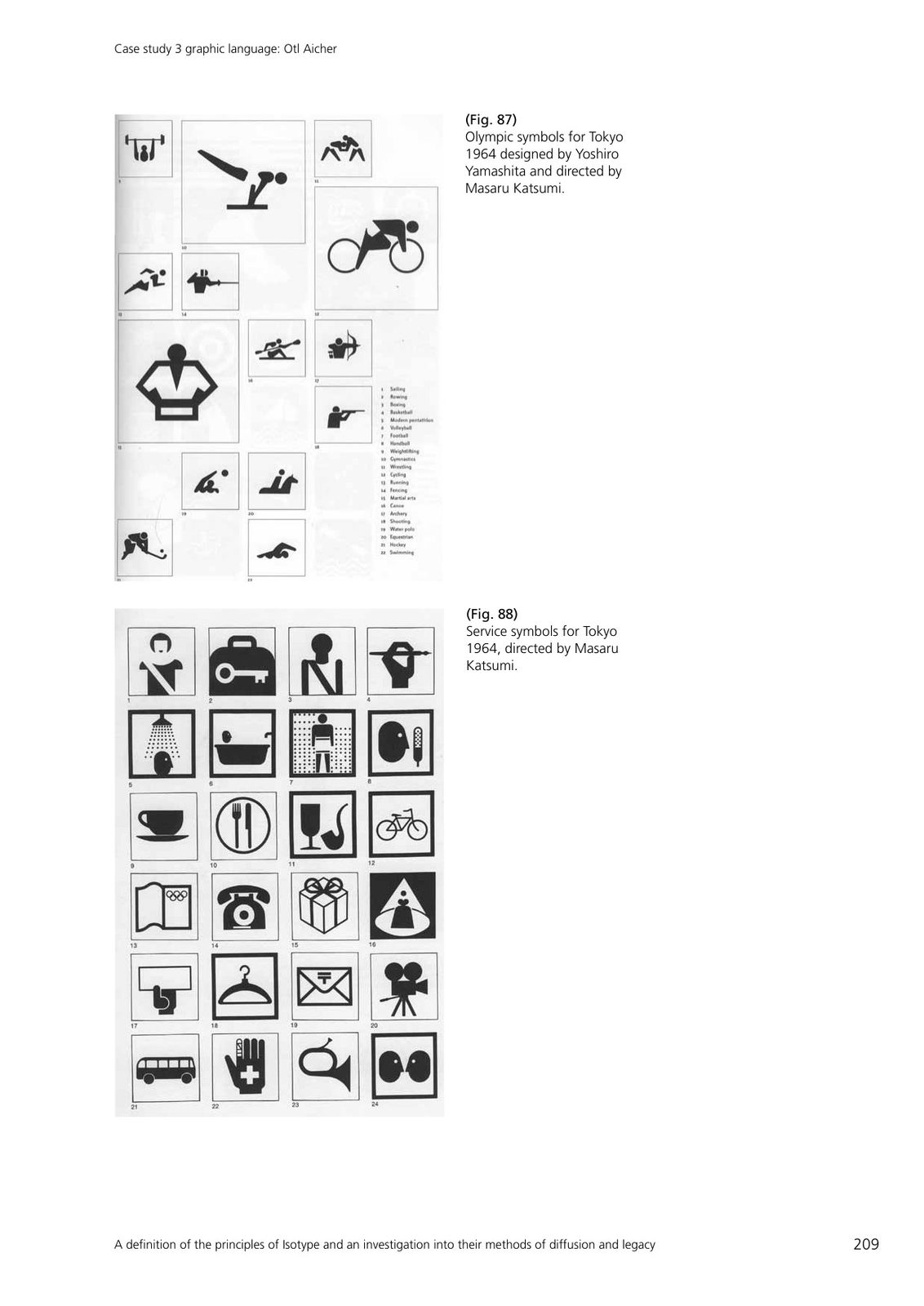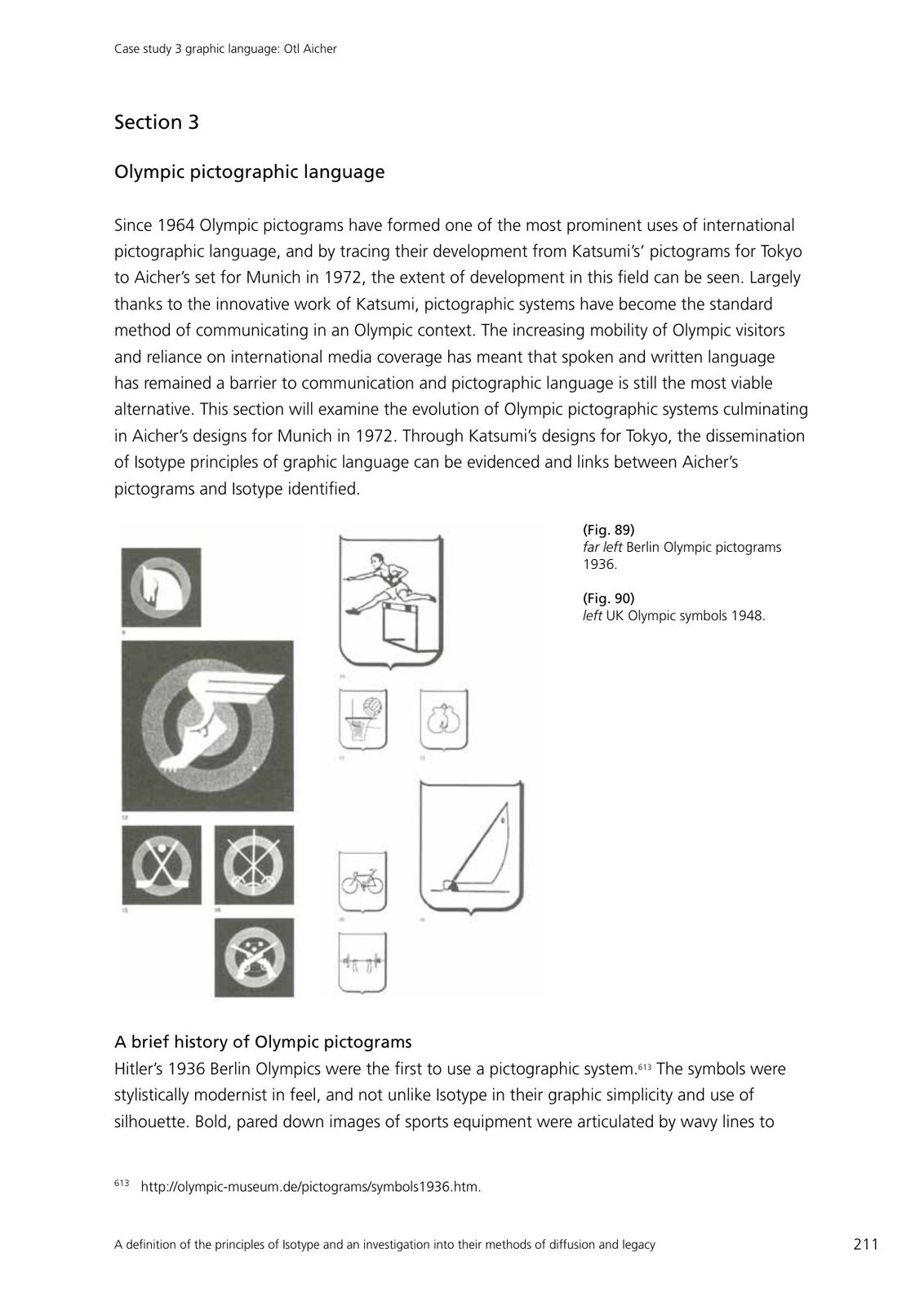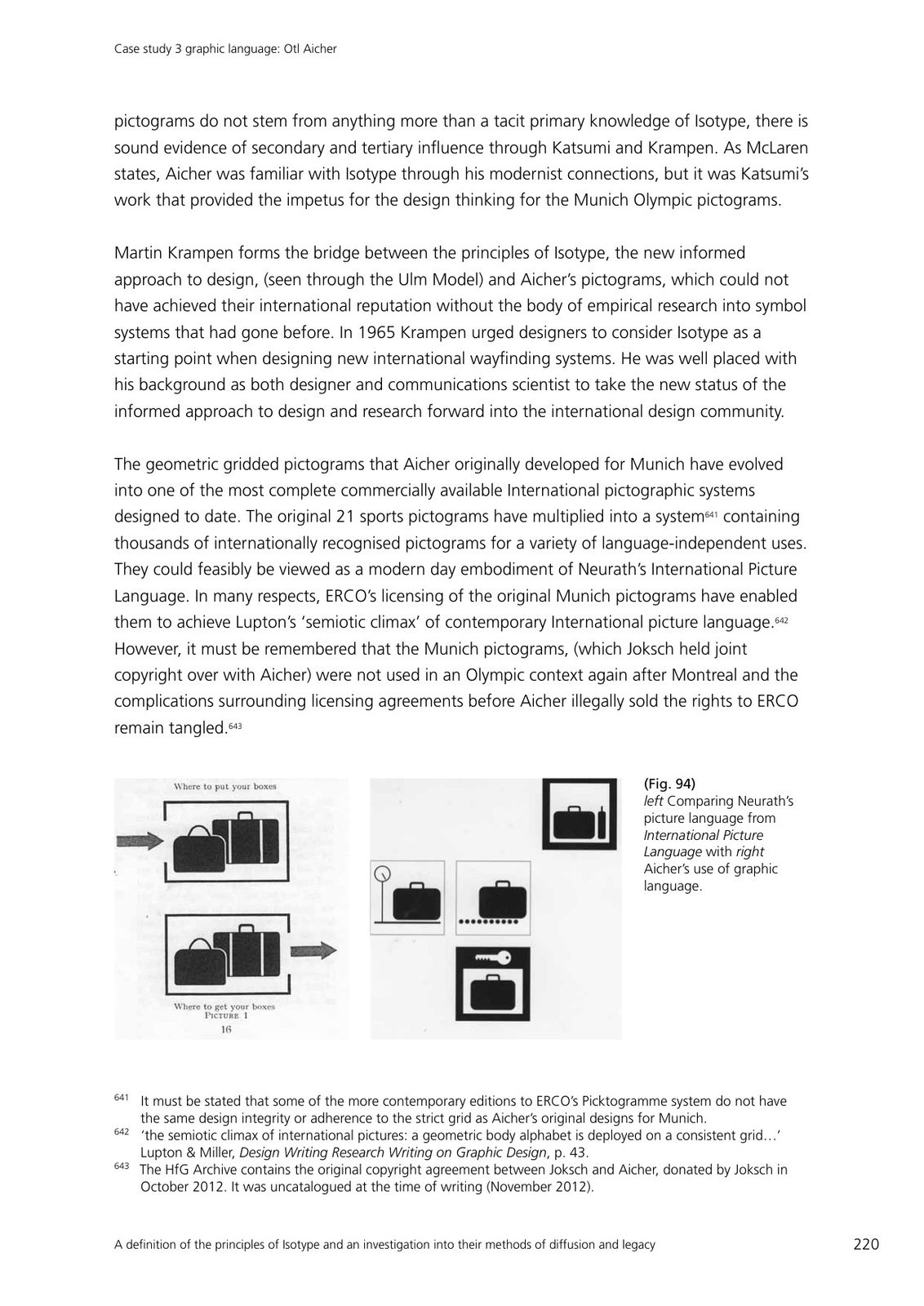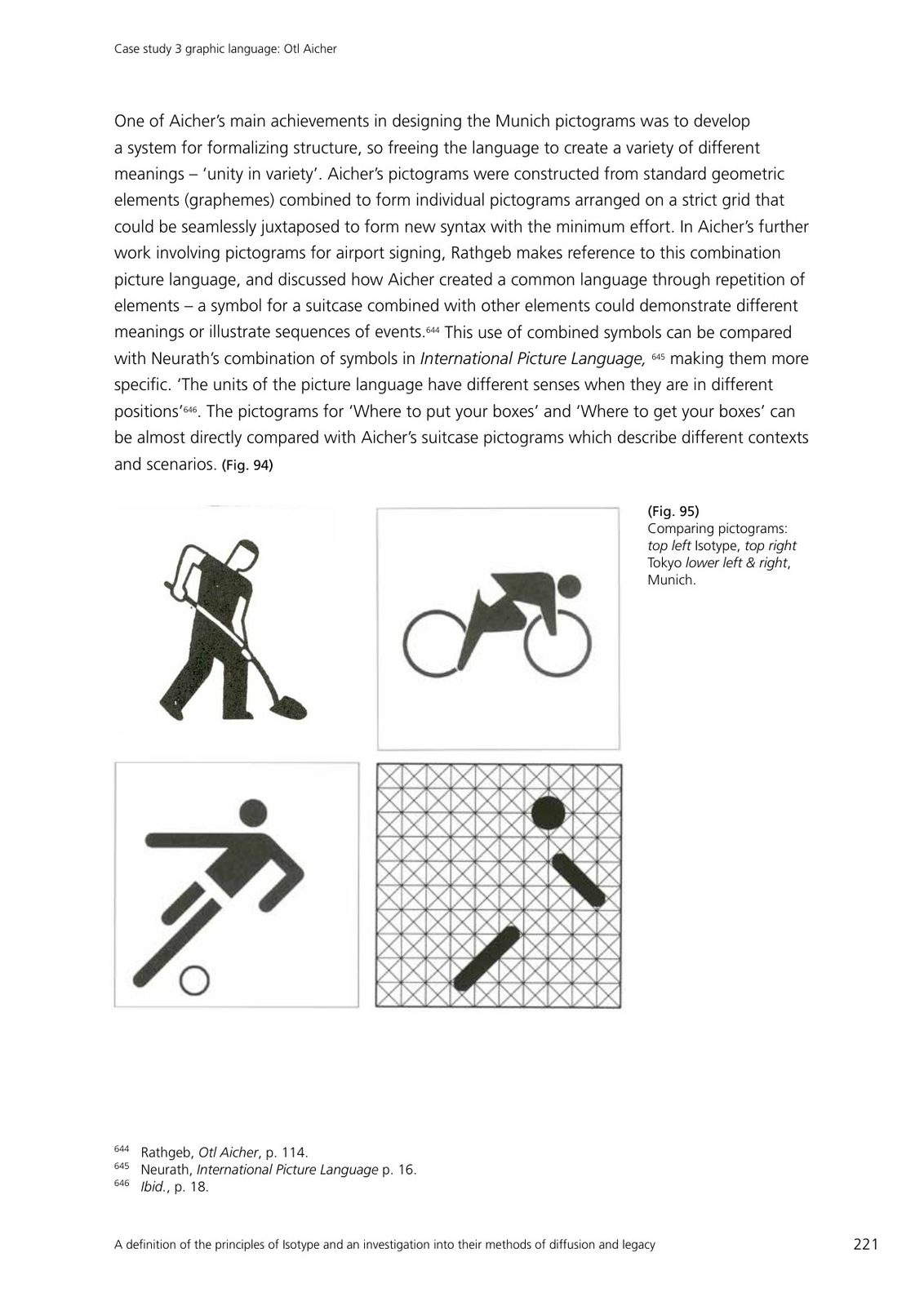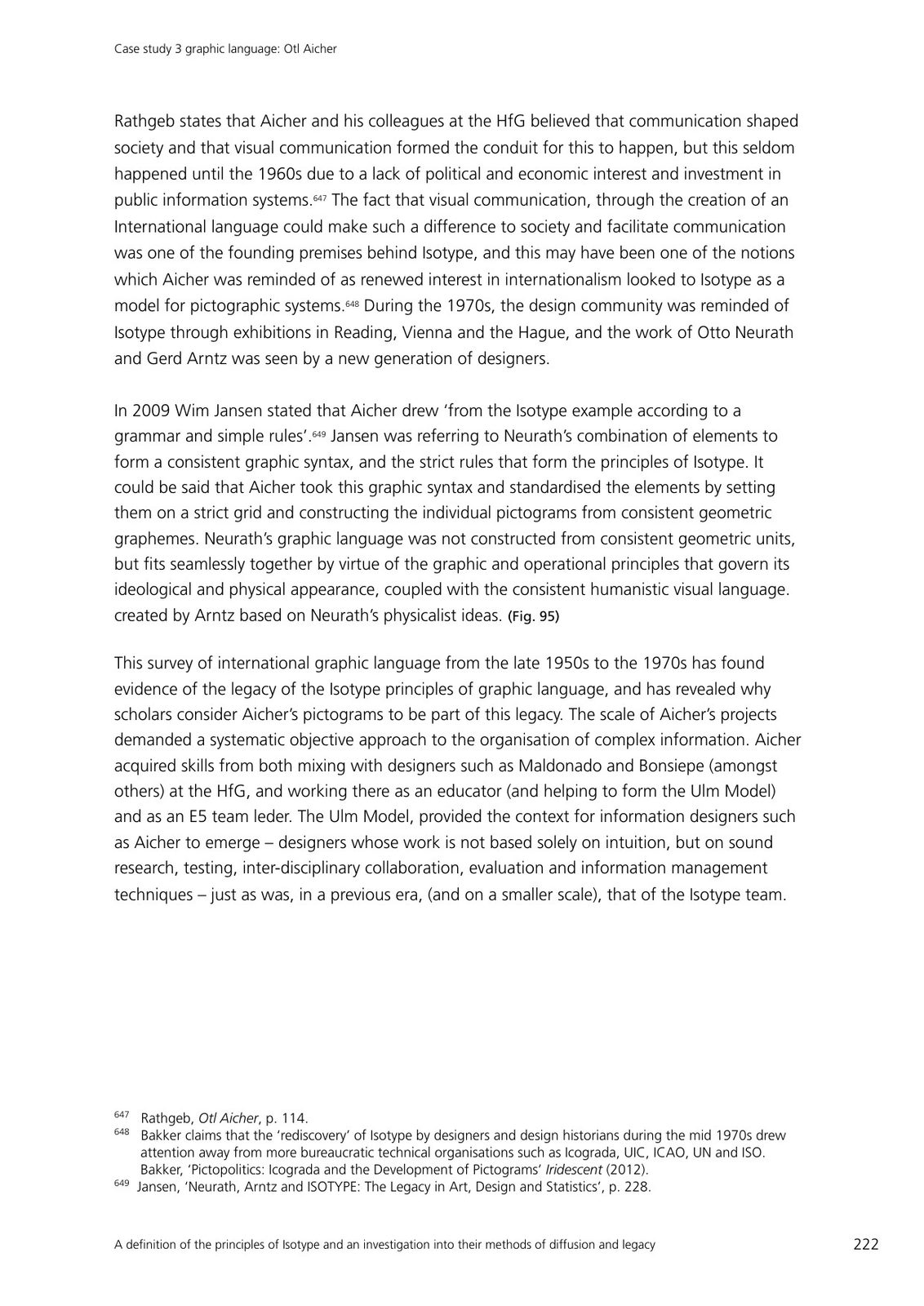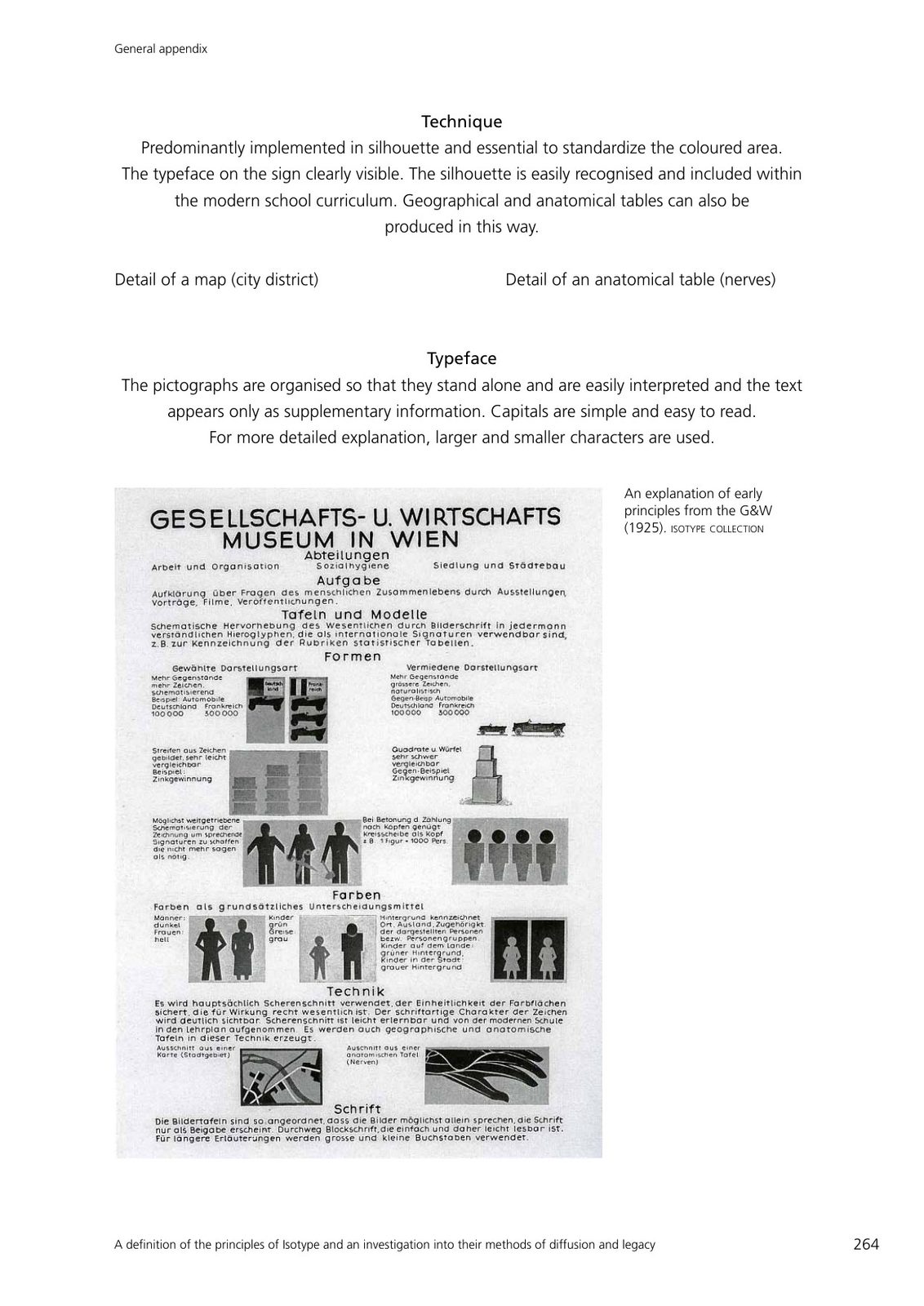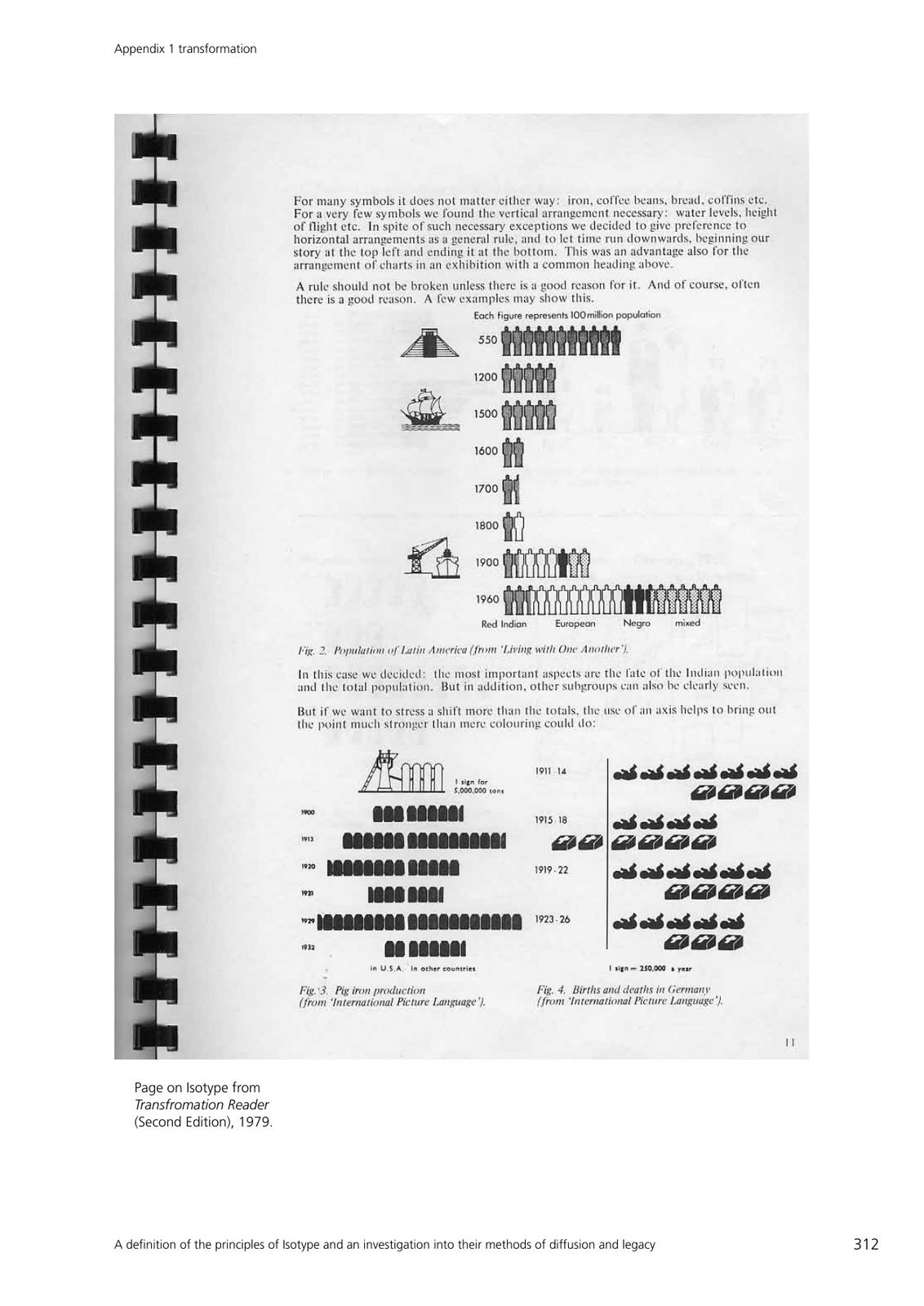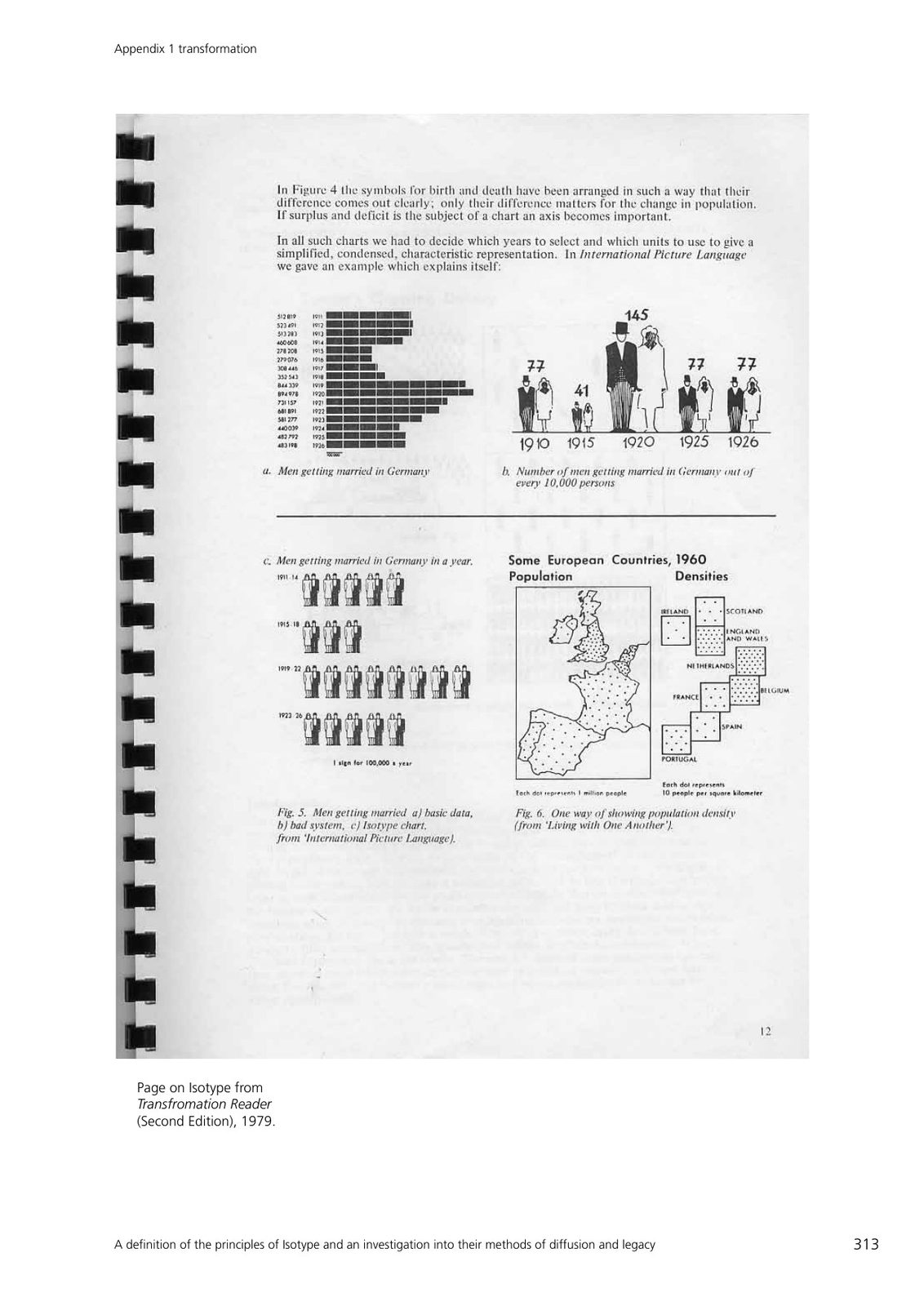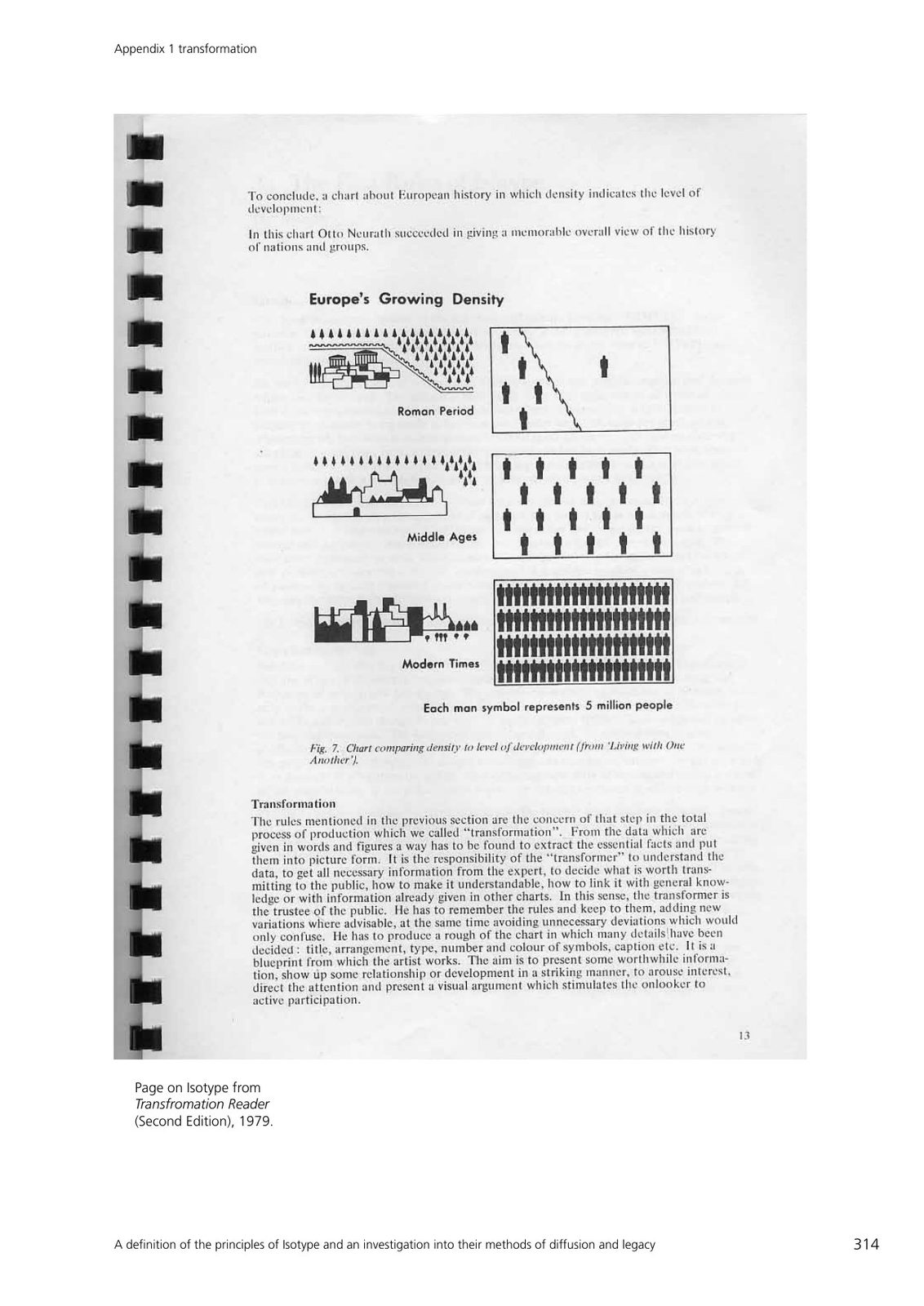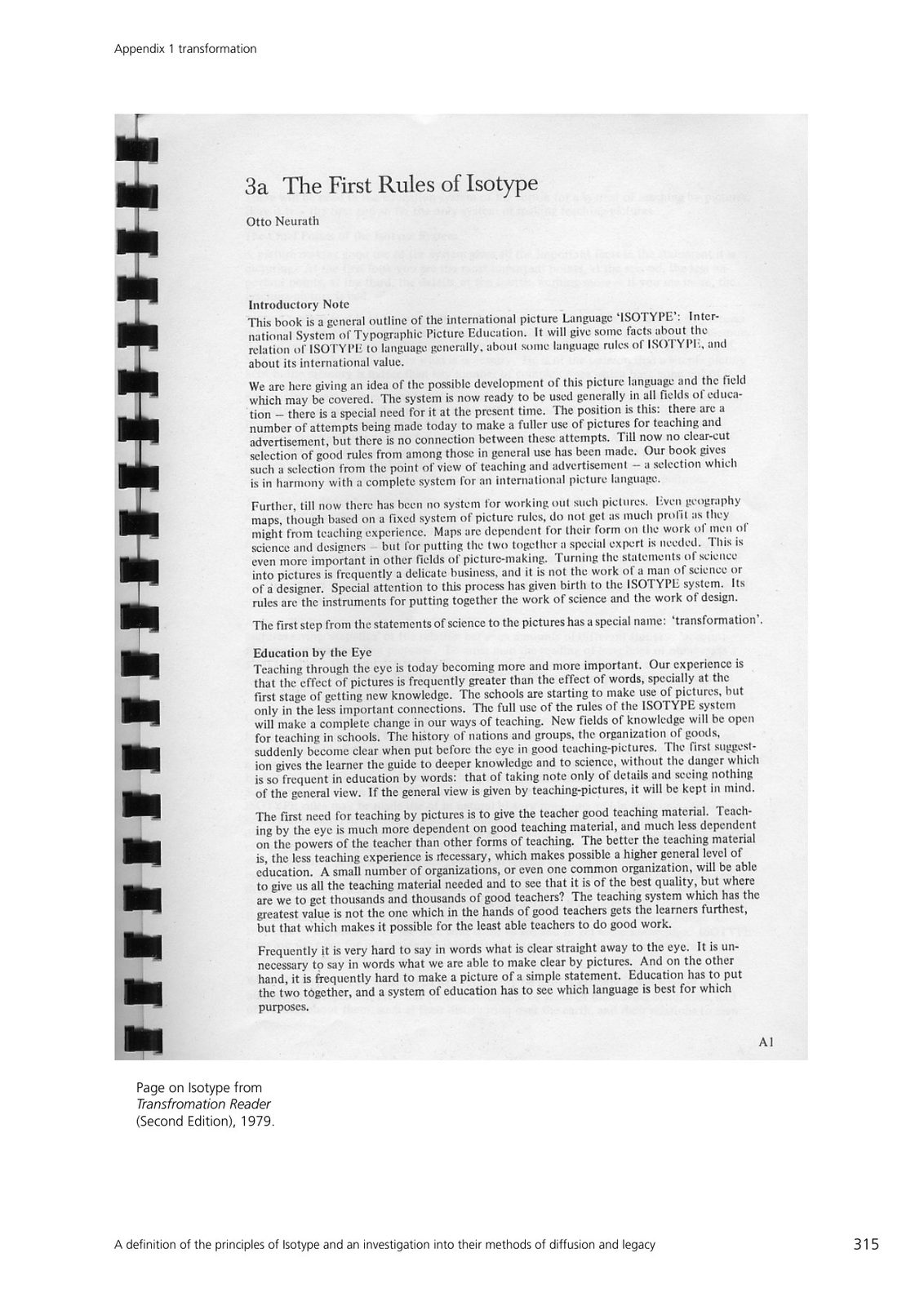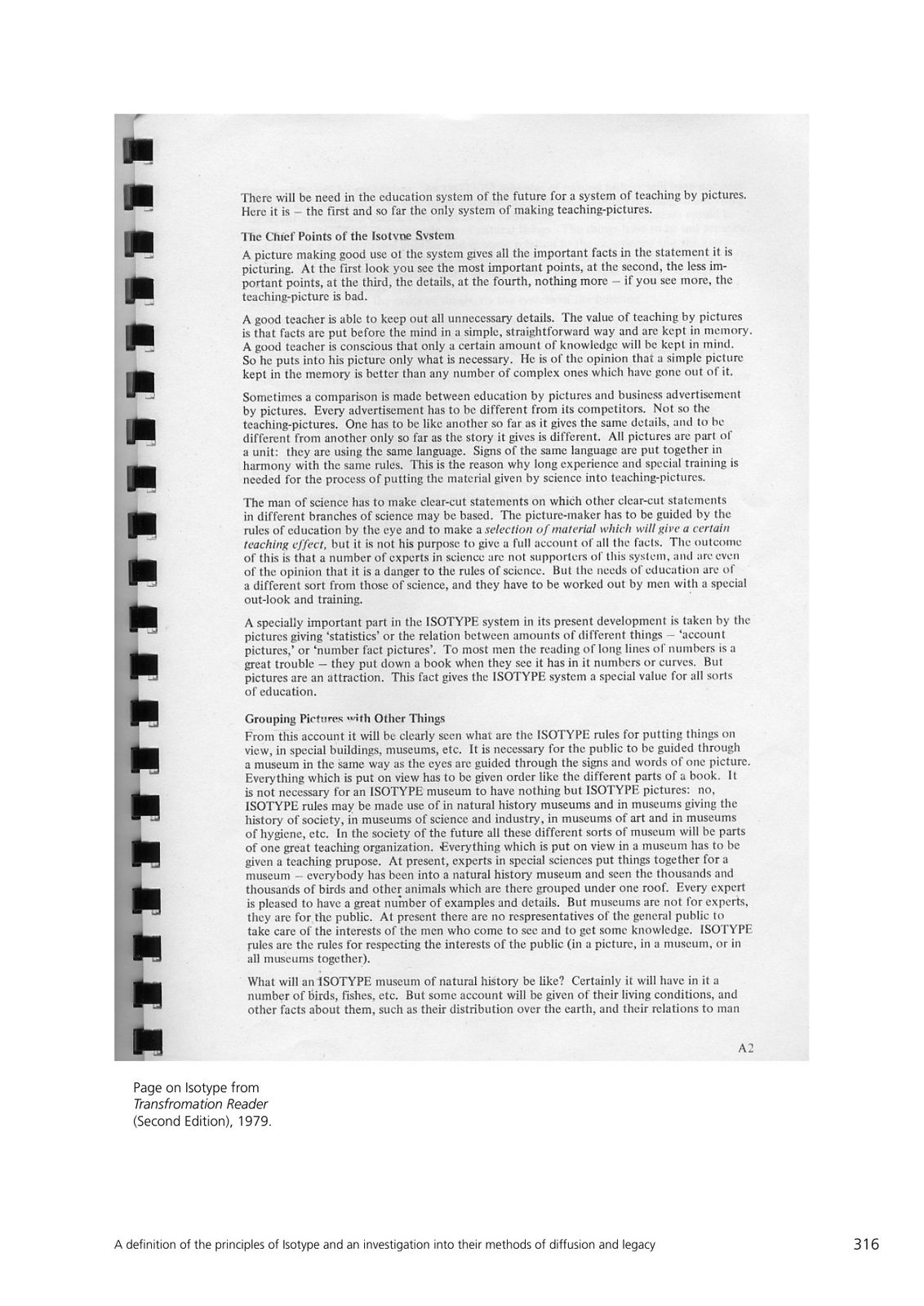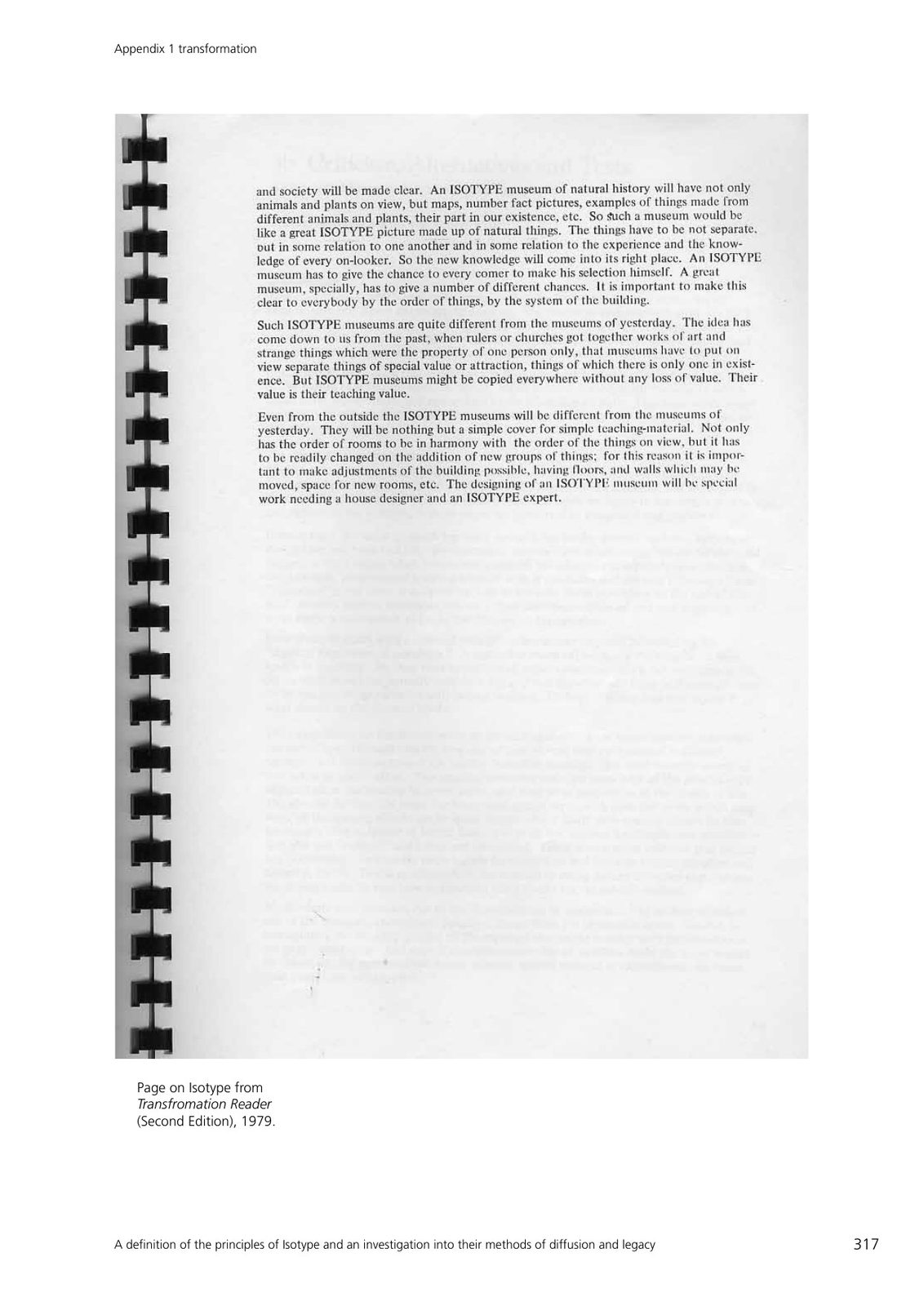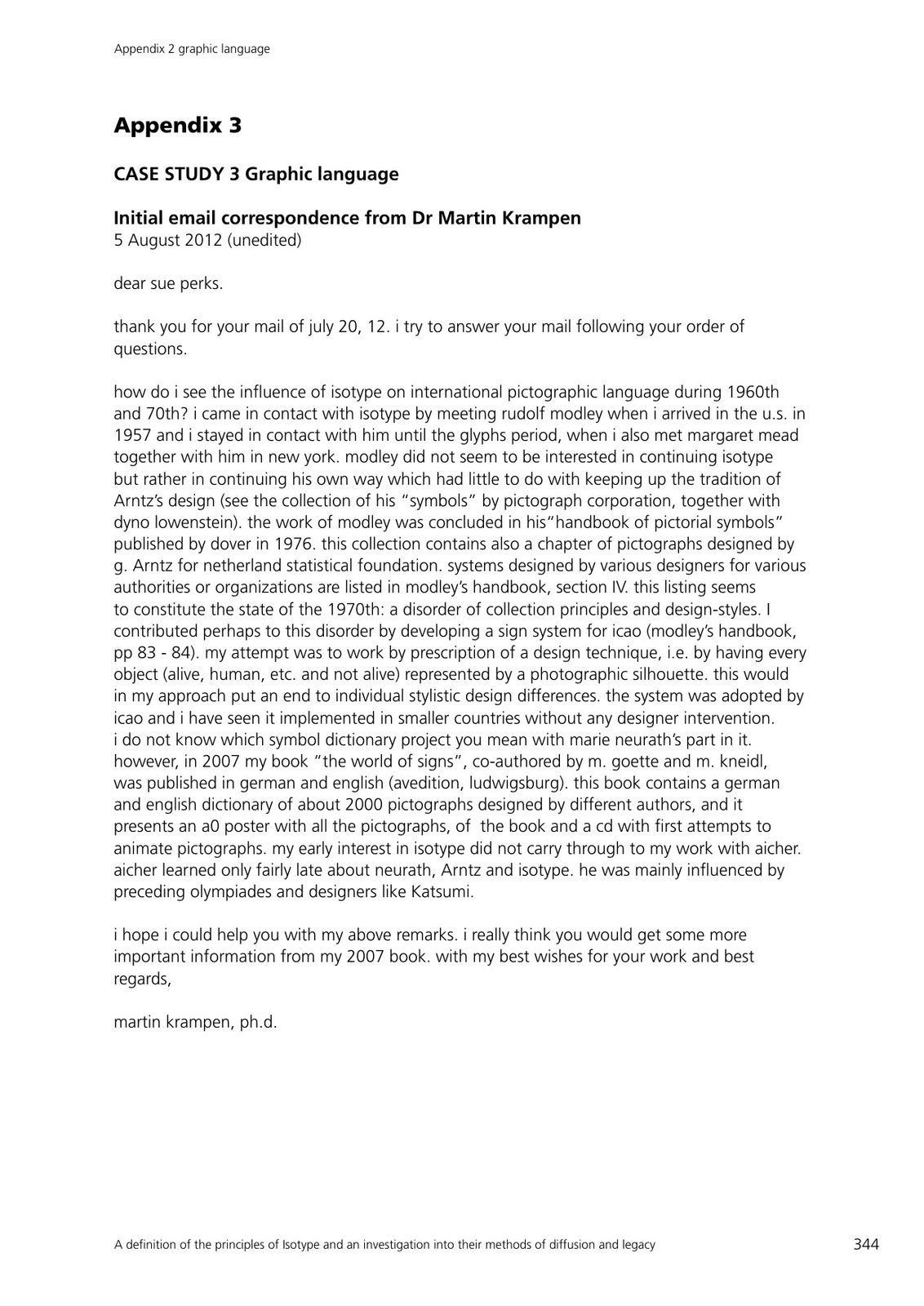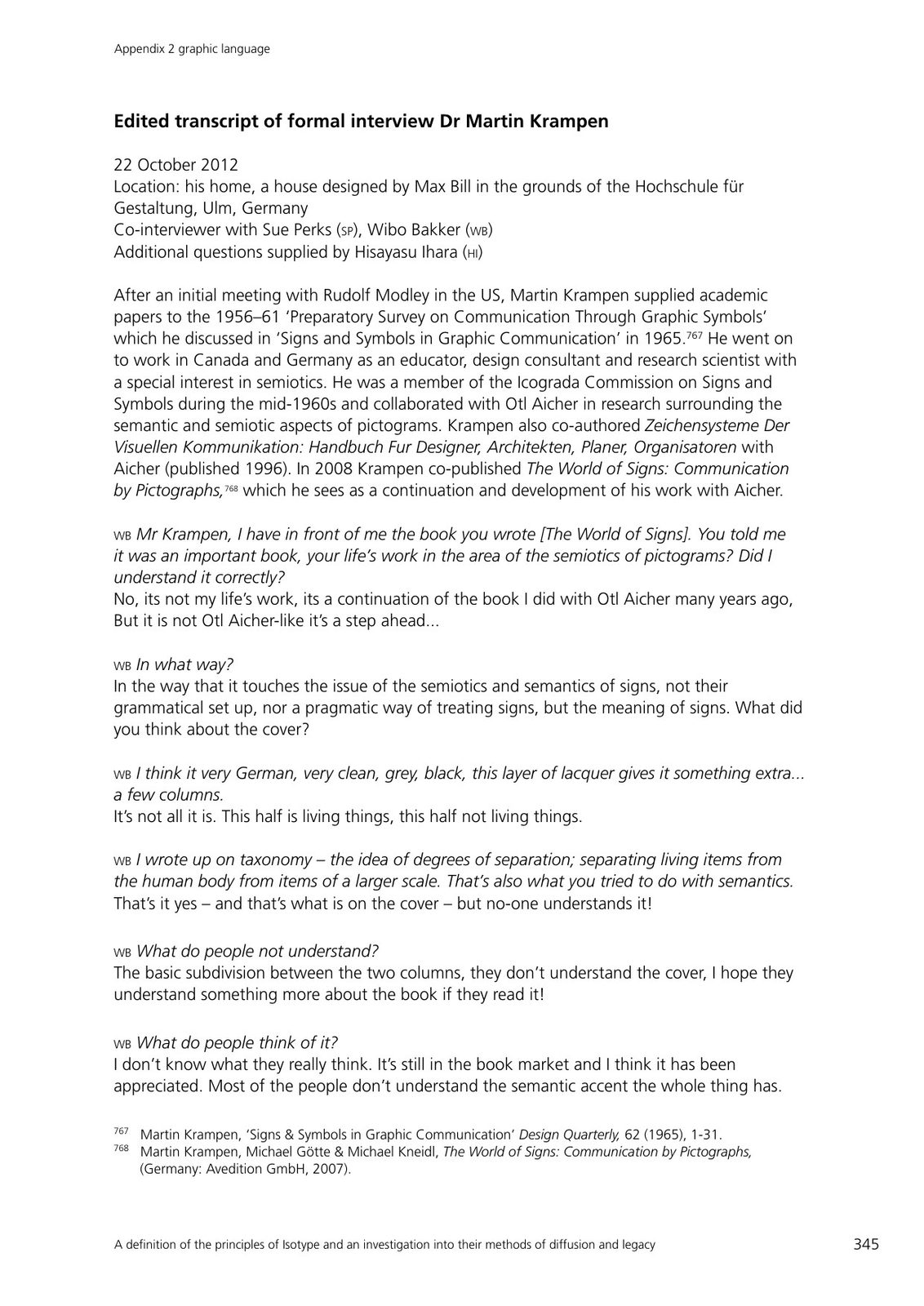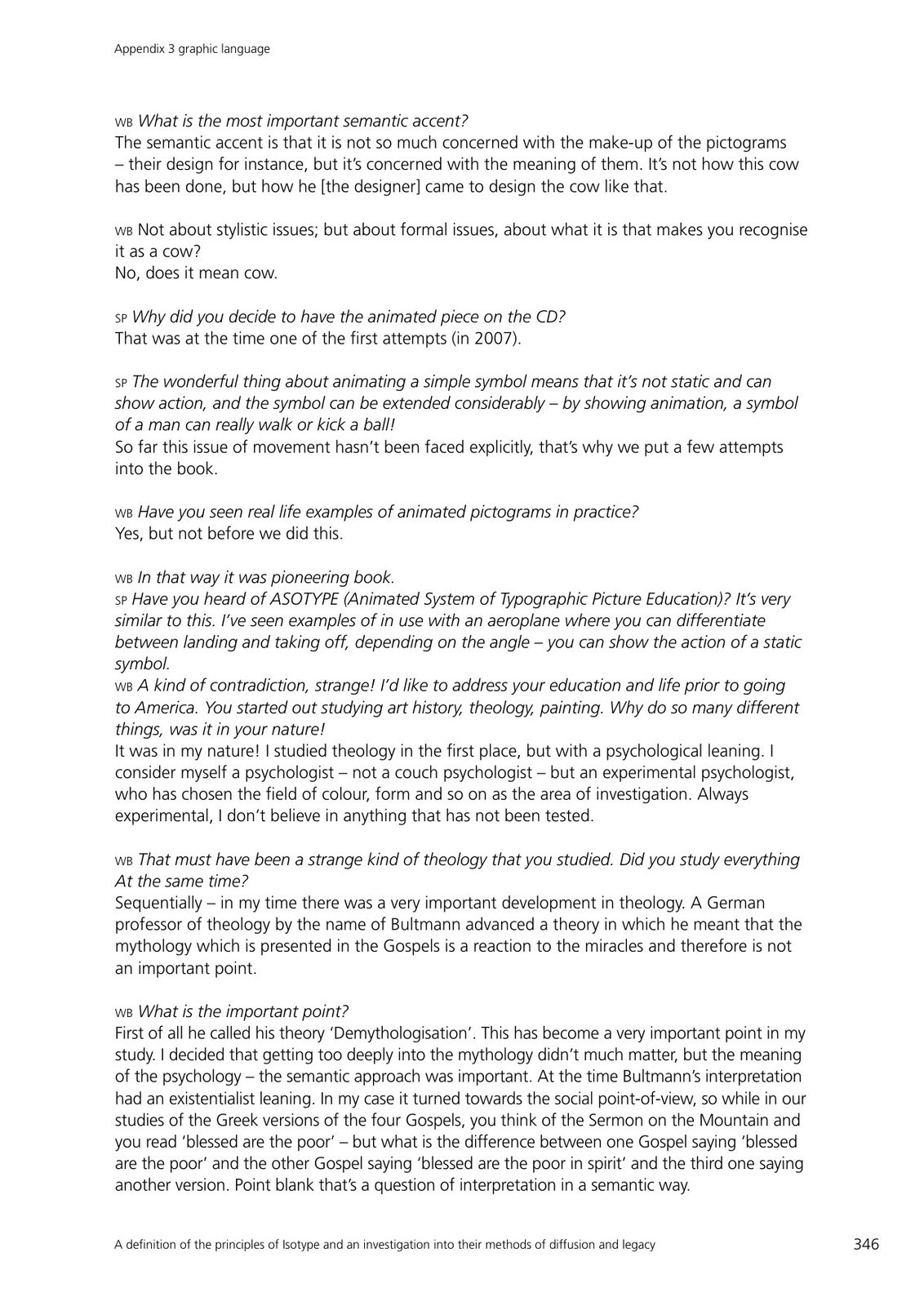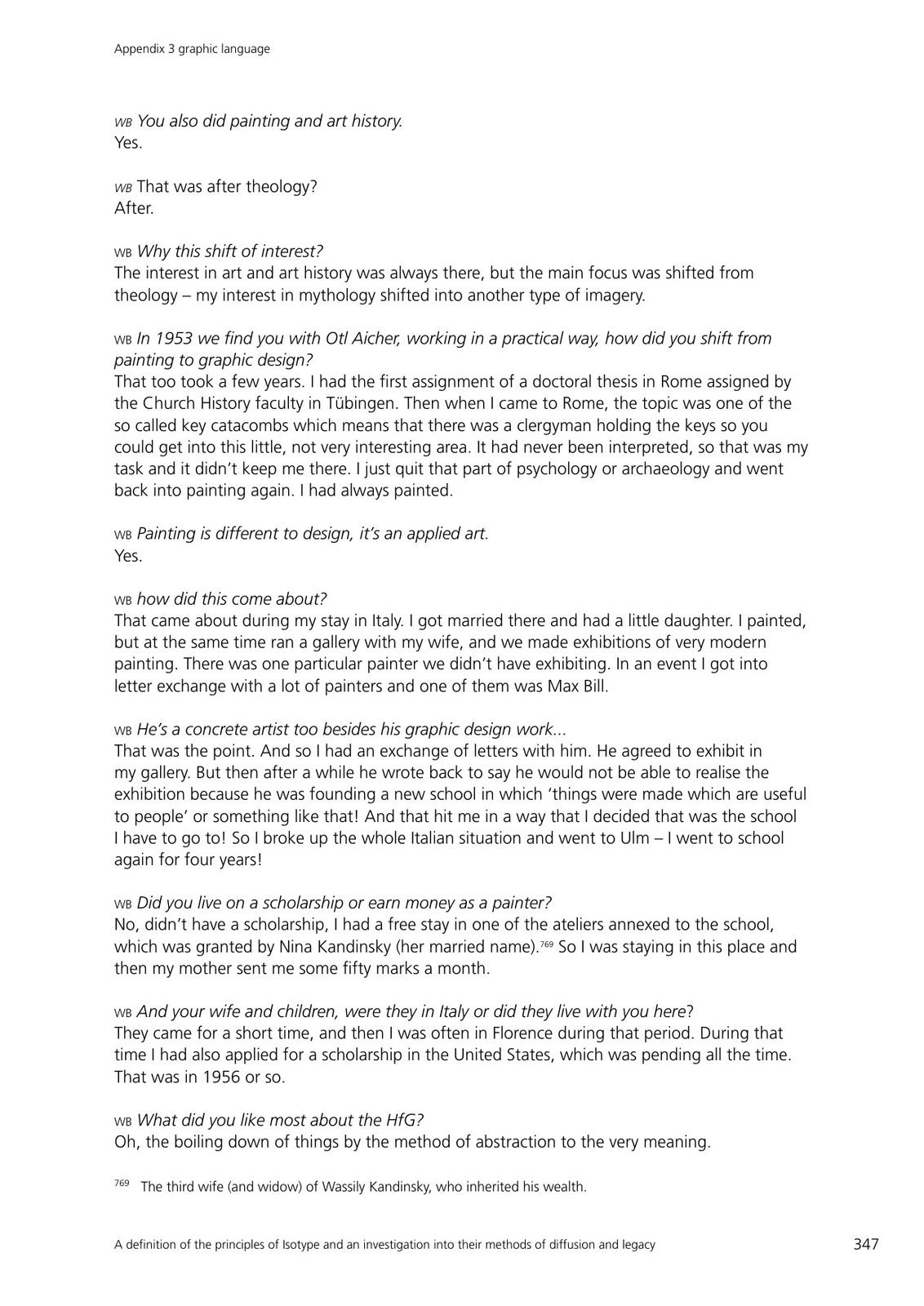
Research · Sue Perks docs Thesis describing the principles of Isotype on philosophical, methodological and graphic levels through three strands — transformation, graphic argument and graphic language — each examined in a case study, beginning with the Natural History Museum's New Exhibition Scheme, then chart design and international pictographic systems.
- Author
- Perks, Sue
- Publisher
- University of Reading
- Year
- 2012
- Language
- English
- Text
- From the PDF, searchable
Text on page 1
Abstract
Abstract
The principles of Isotype constitute the strict but pragmatic rules that gave Isotype its
consistency and strength as a system. Full working knowledge of the principles forms the
difference between an effective formula for communication – and imitation. This thesis
describes the principles of Isotype through three interconnected levels: the philosophical, the
methodological and the graphic and operational. Together they form the linear process through
which Isotype visual statements are made, starting from primary data, through methods of
implementation to the tools used to achieve the final visual outcome.
This linear process will be defined through the three identified core strands of transformation,
graphic argument and graphic language, articulated through corresponding individual case
studies, where the explicit use of the principles has been previously cited. Transformation
is discussed through museum design, graphic argument is articulated through the design
of charts and diagrams and graphic language is considered in relation to international
pictographic systems.
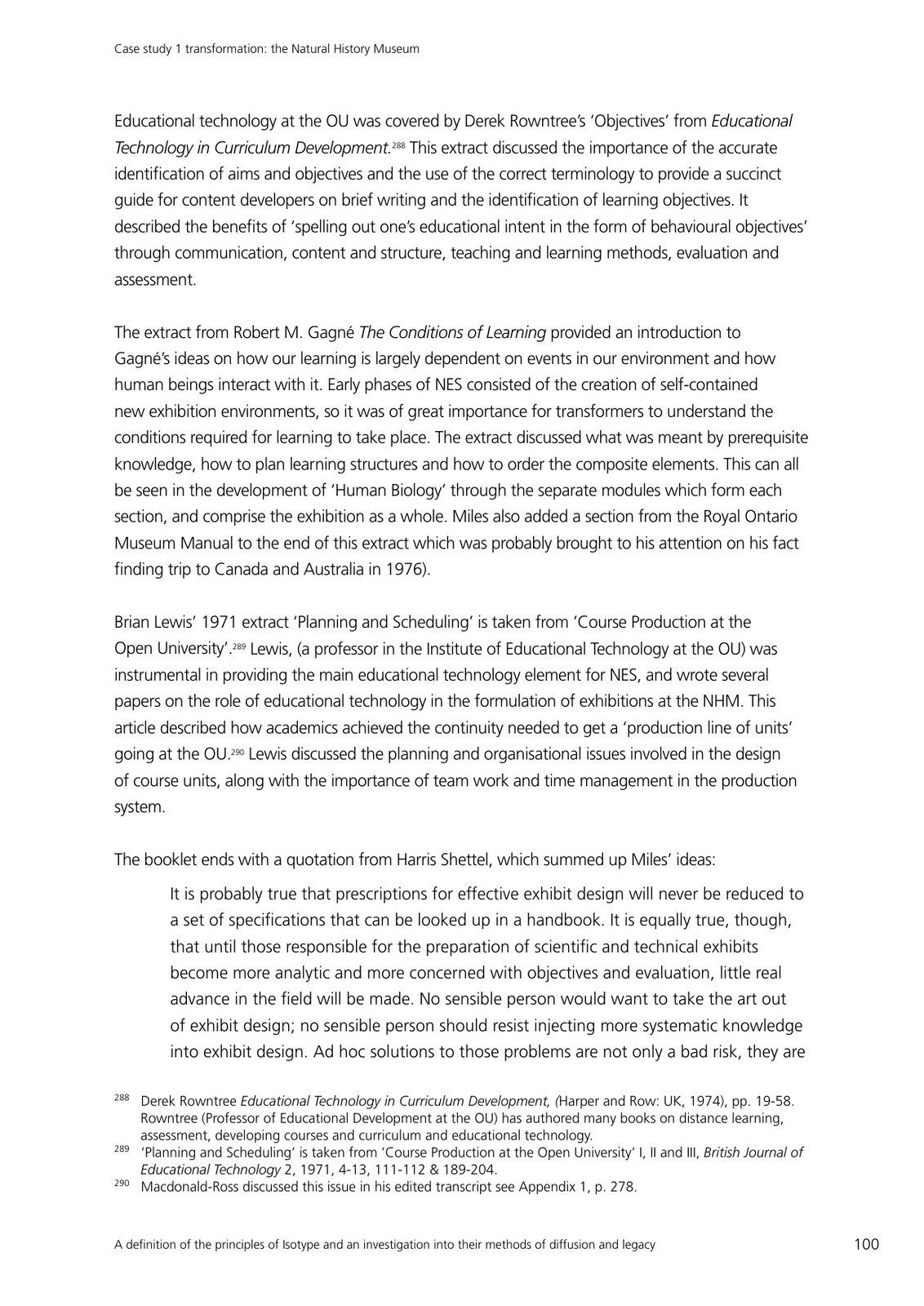
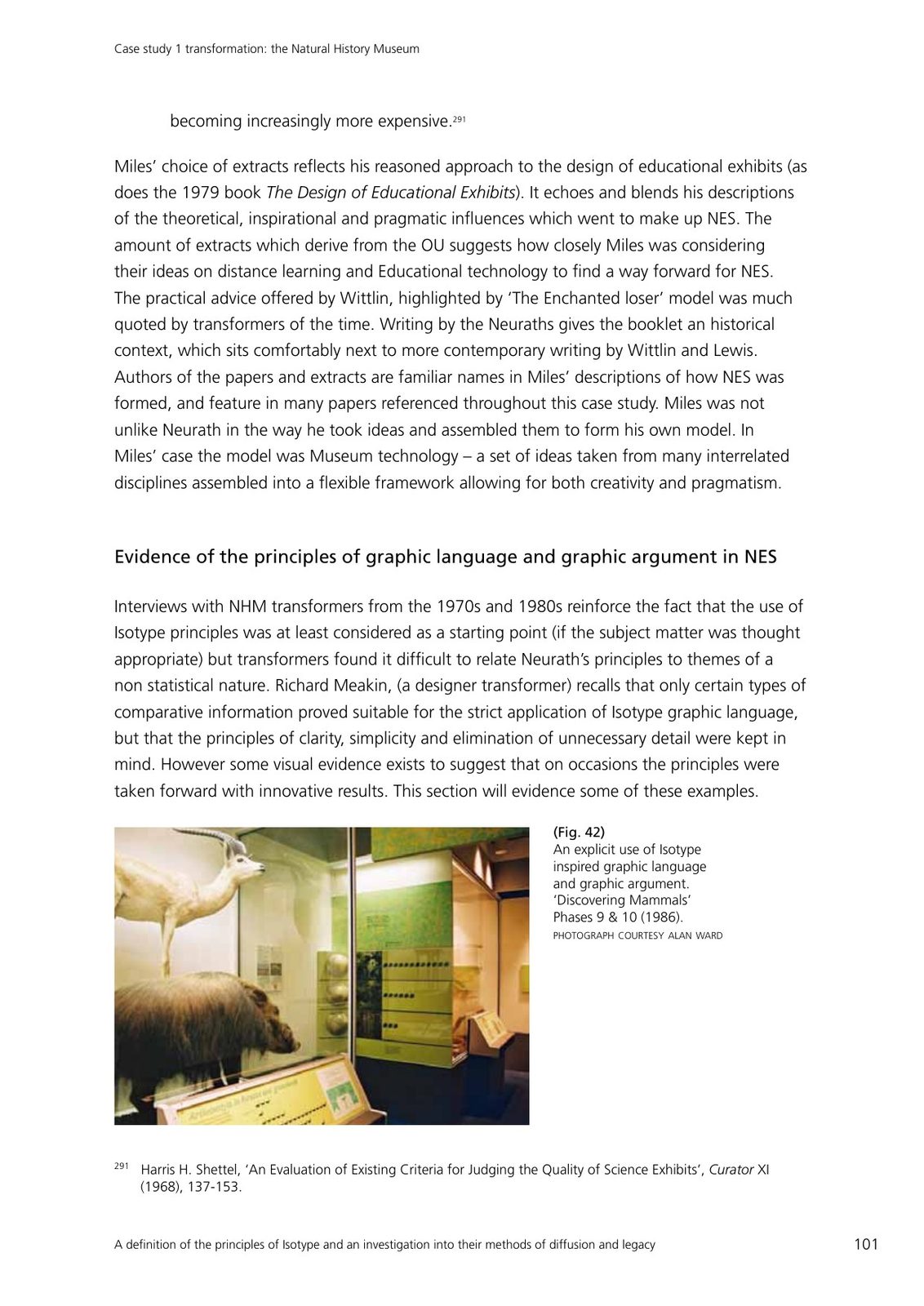
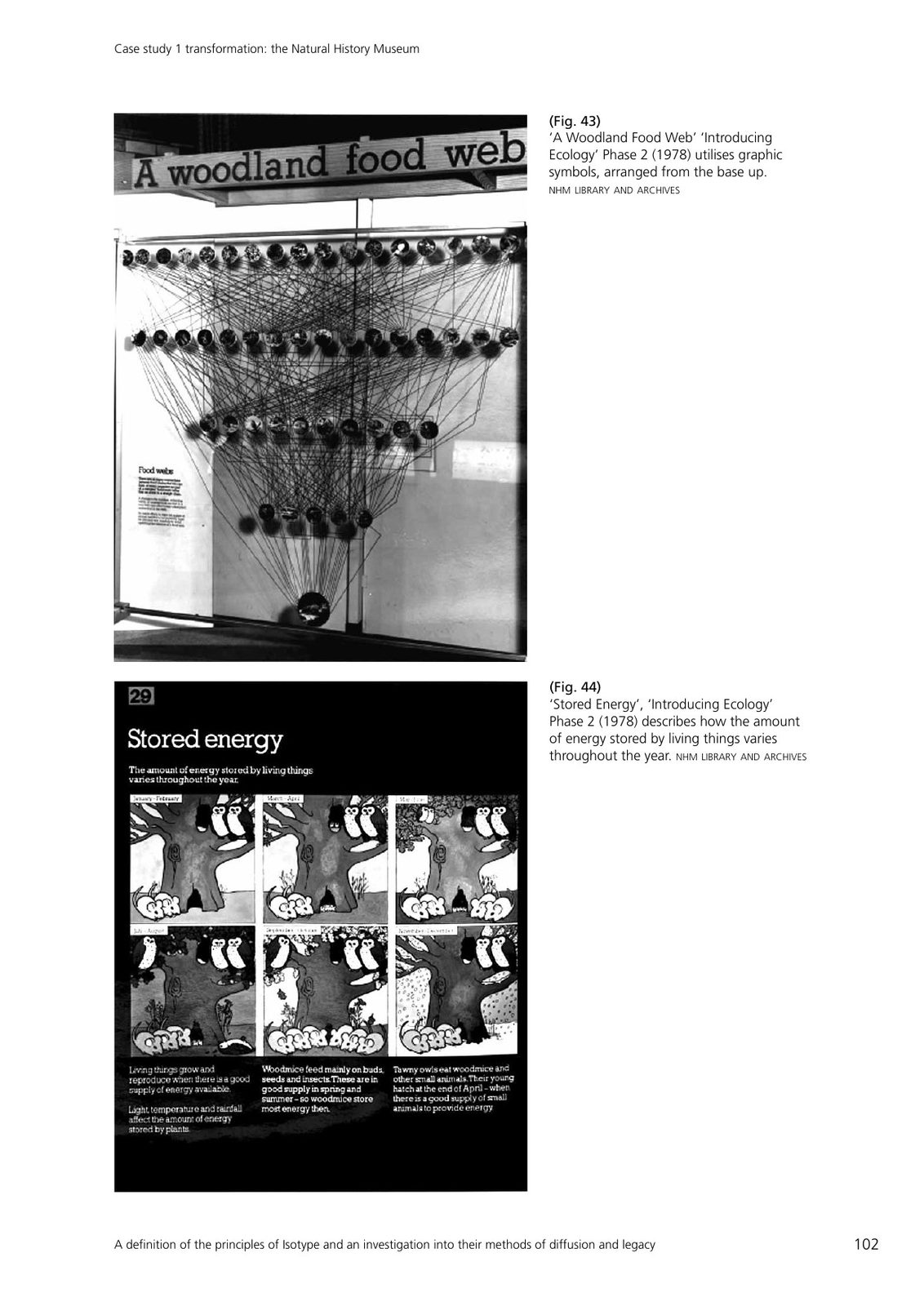
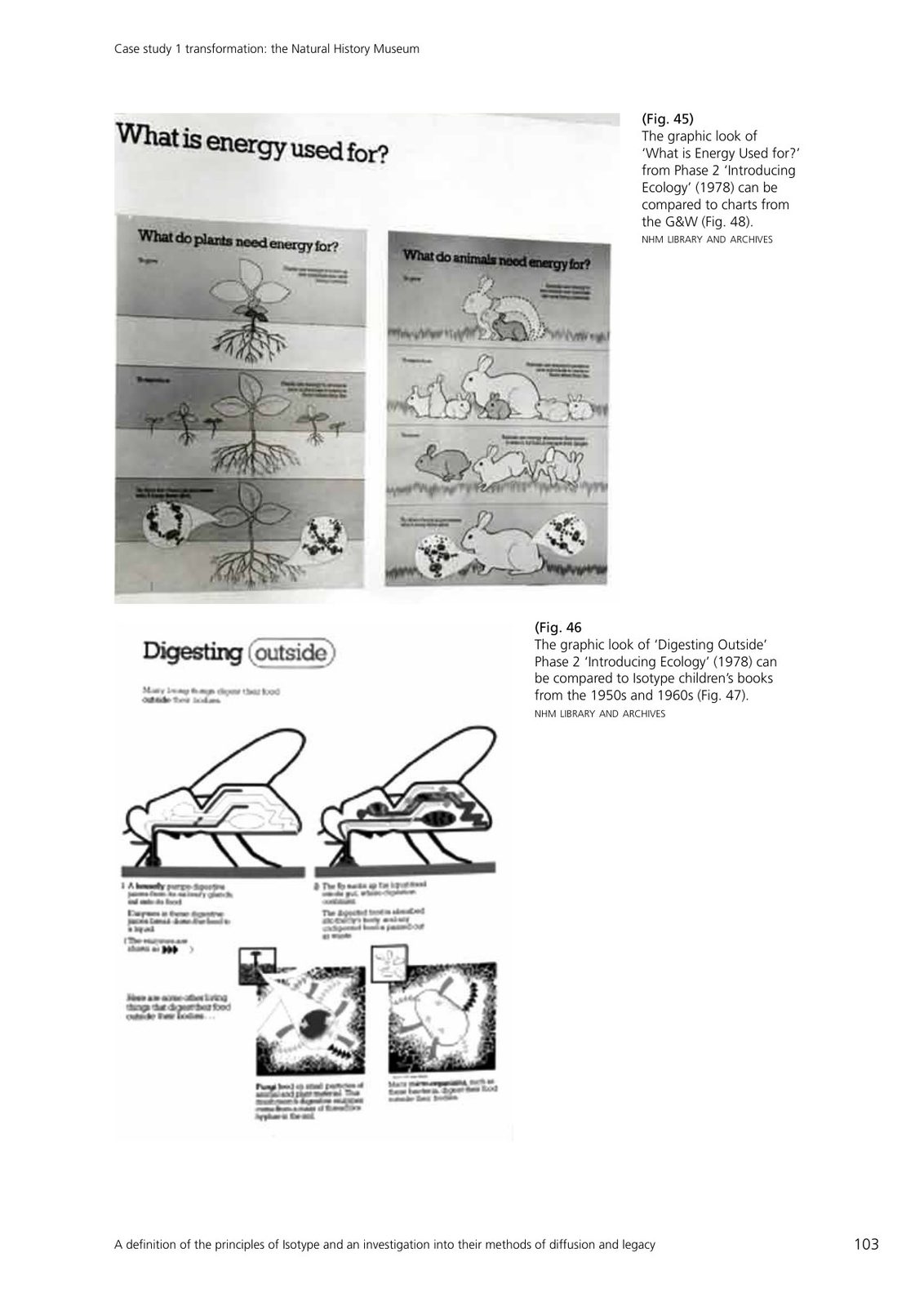
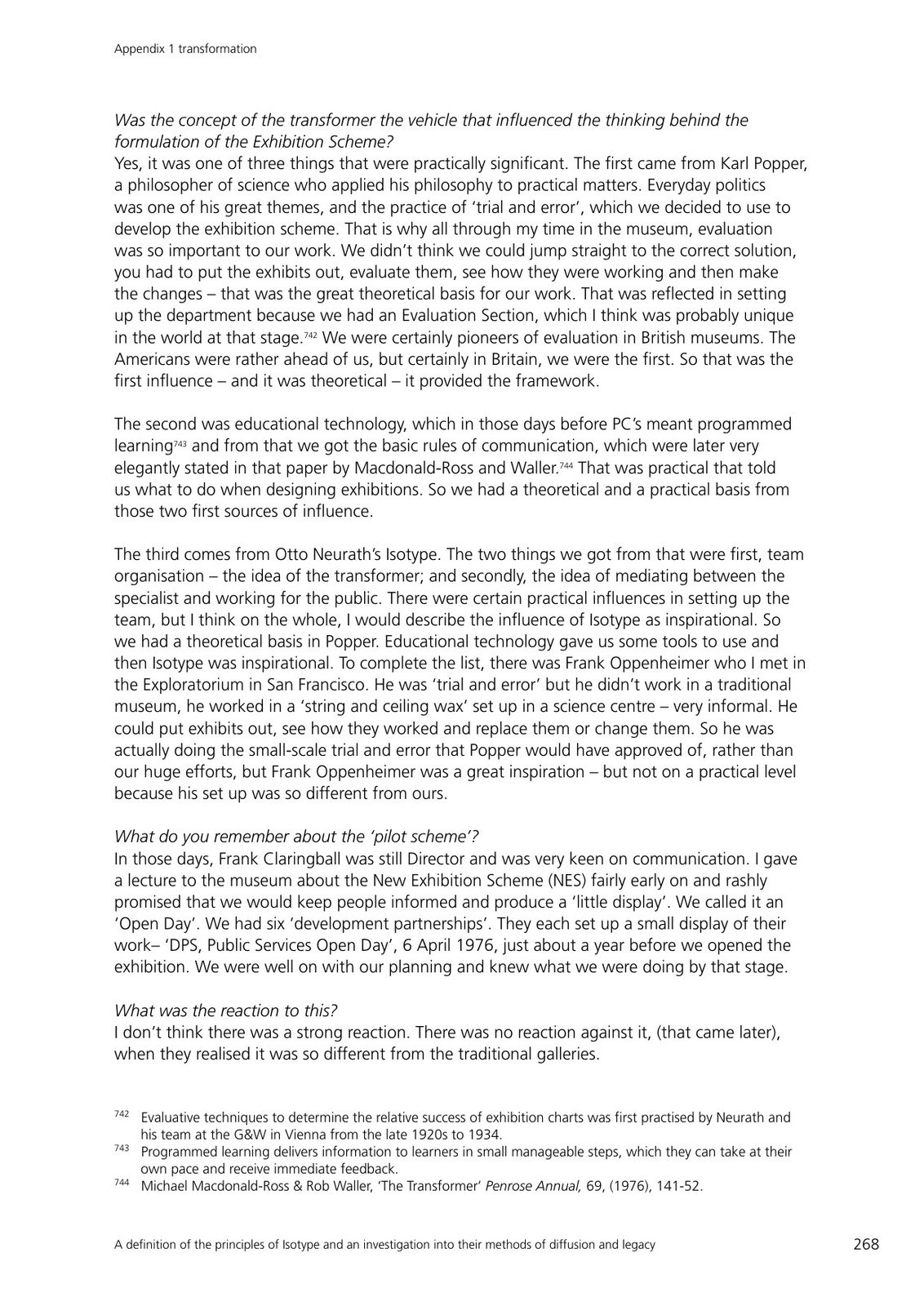
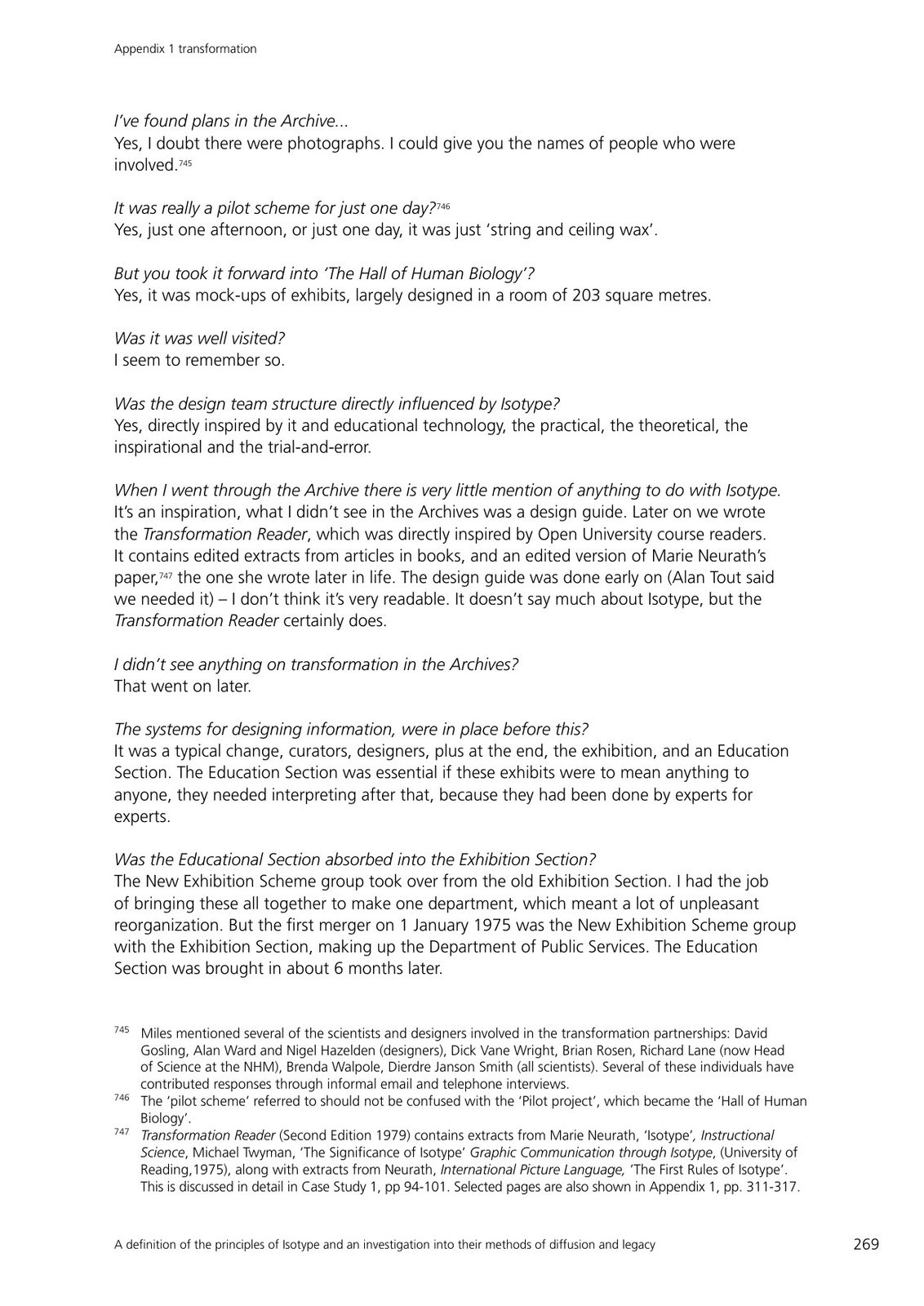
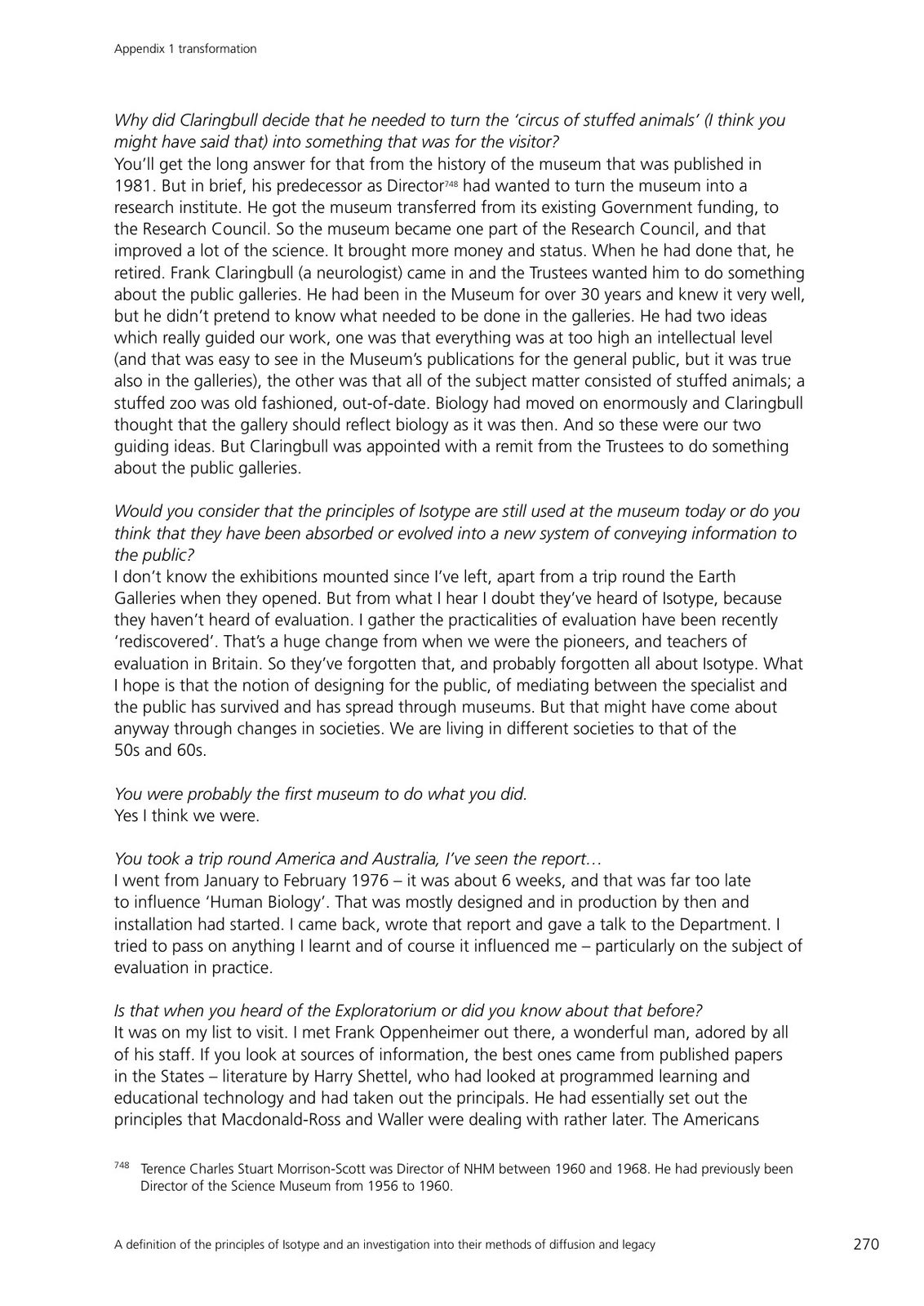
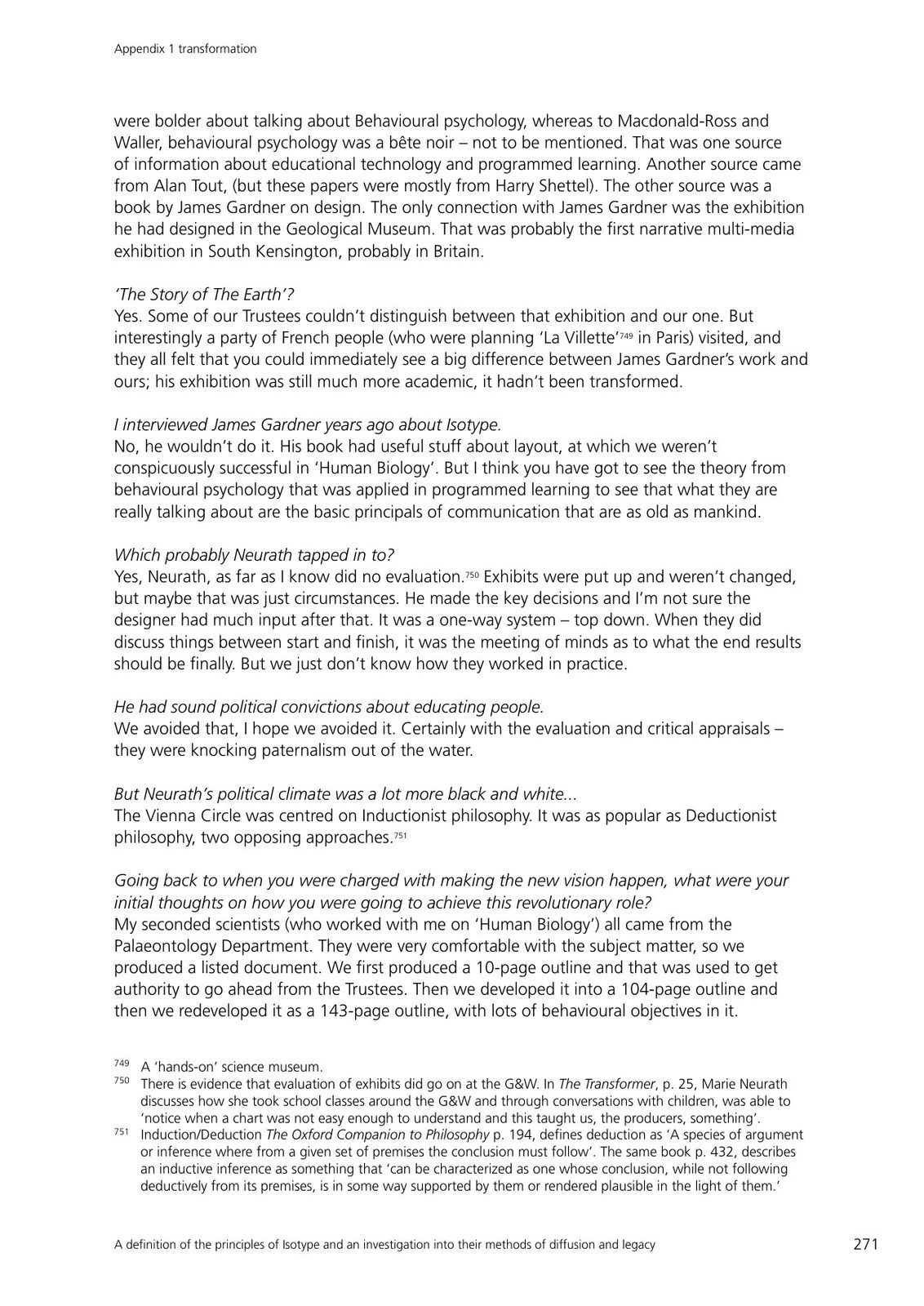
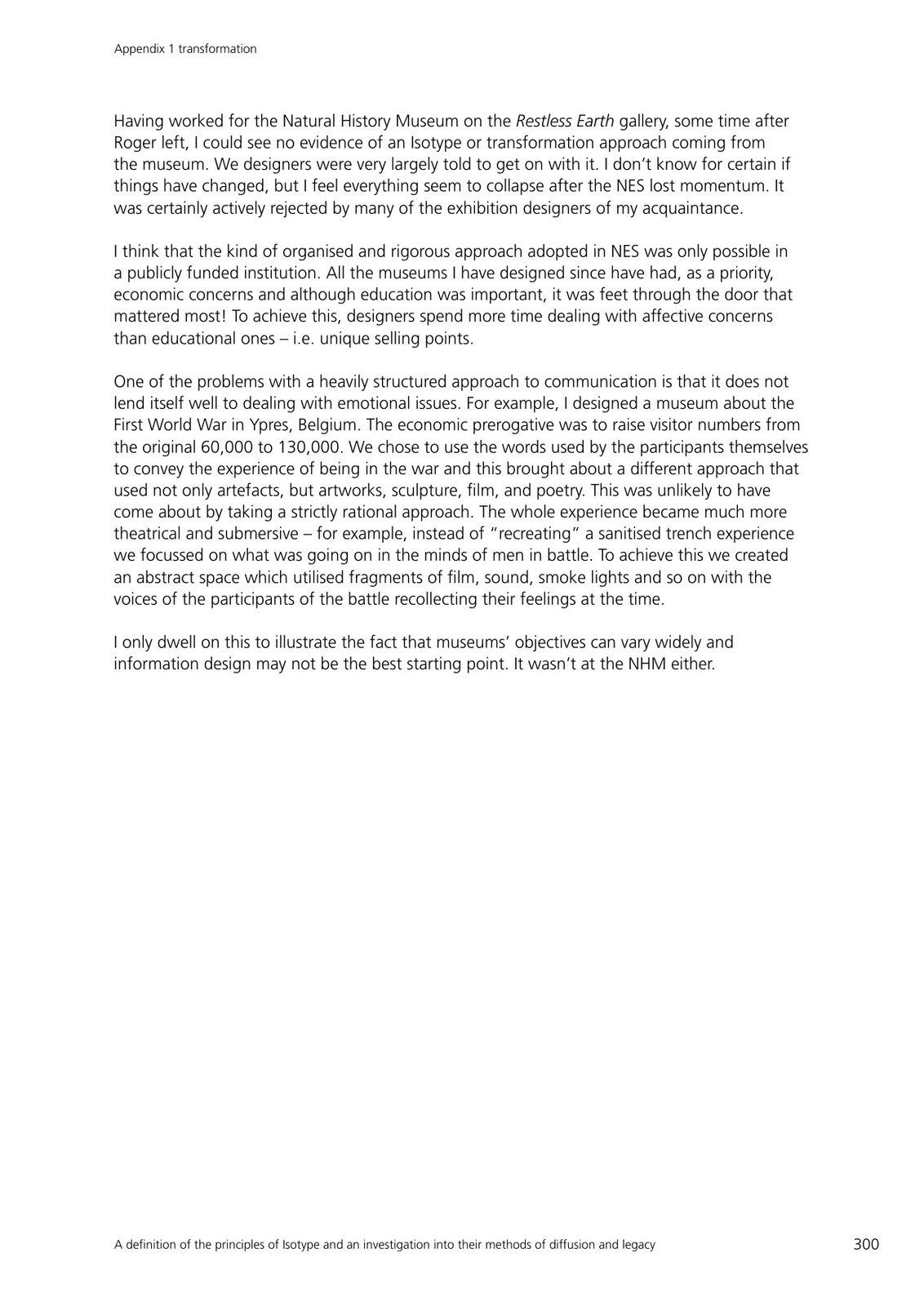
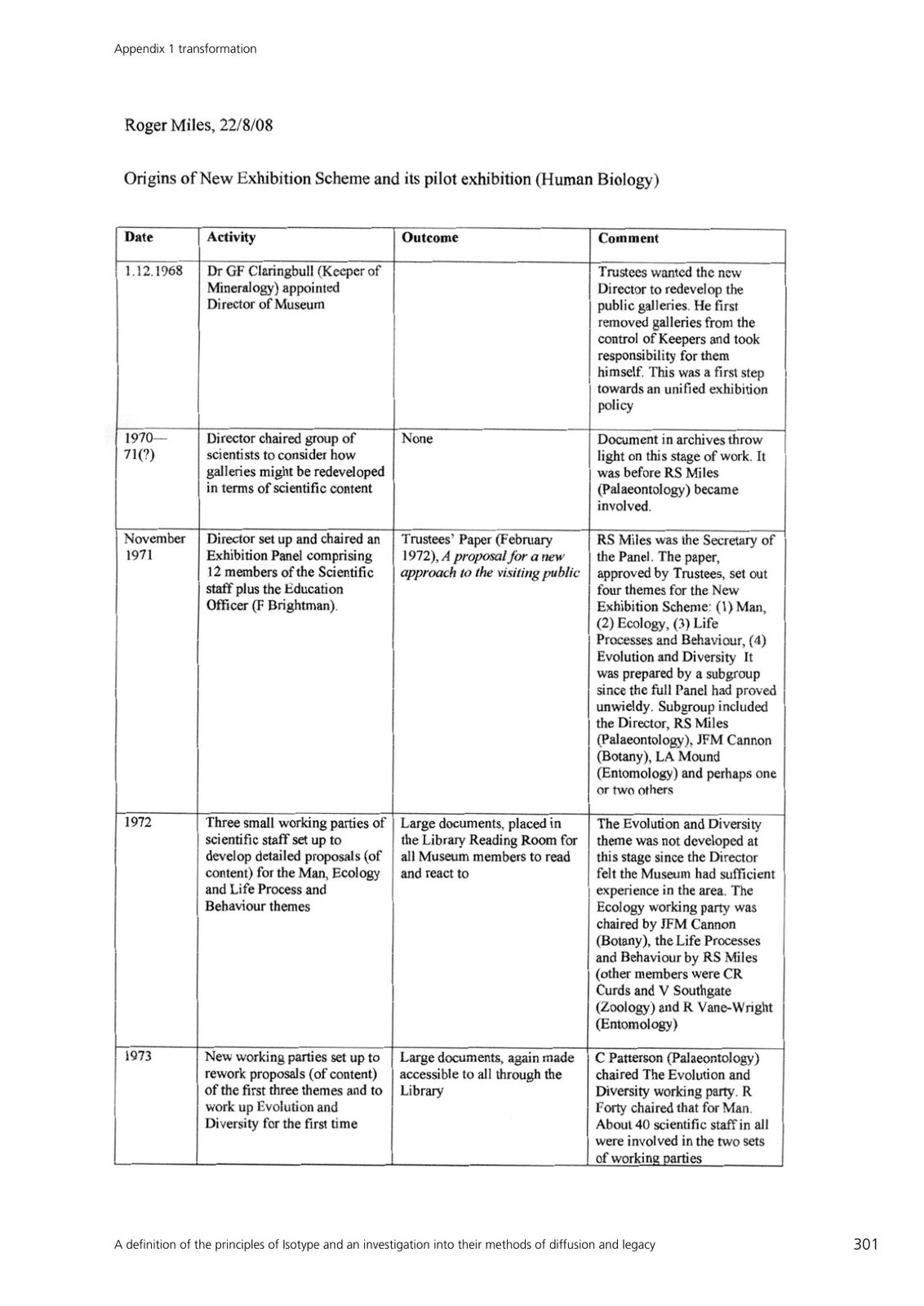
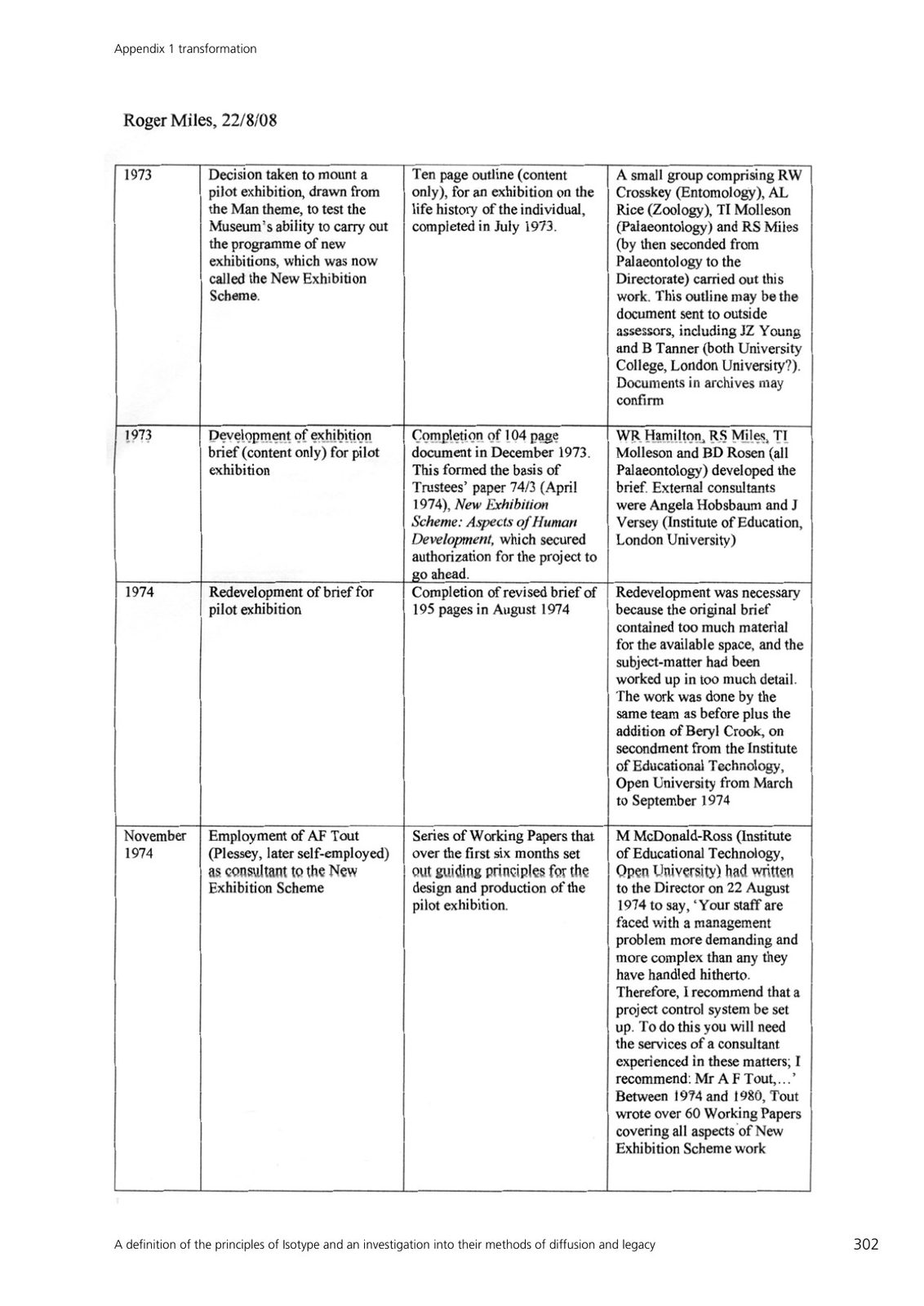
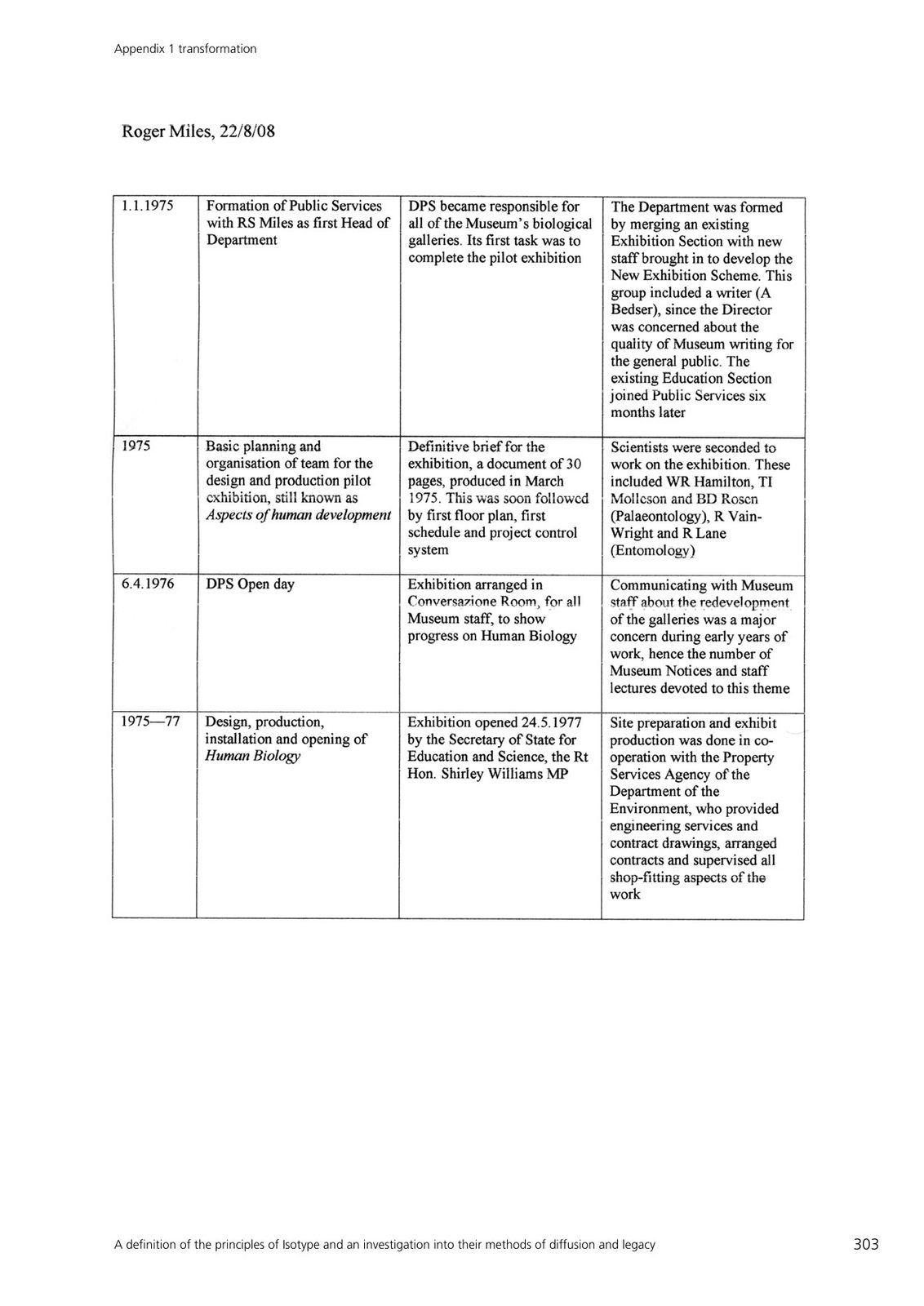
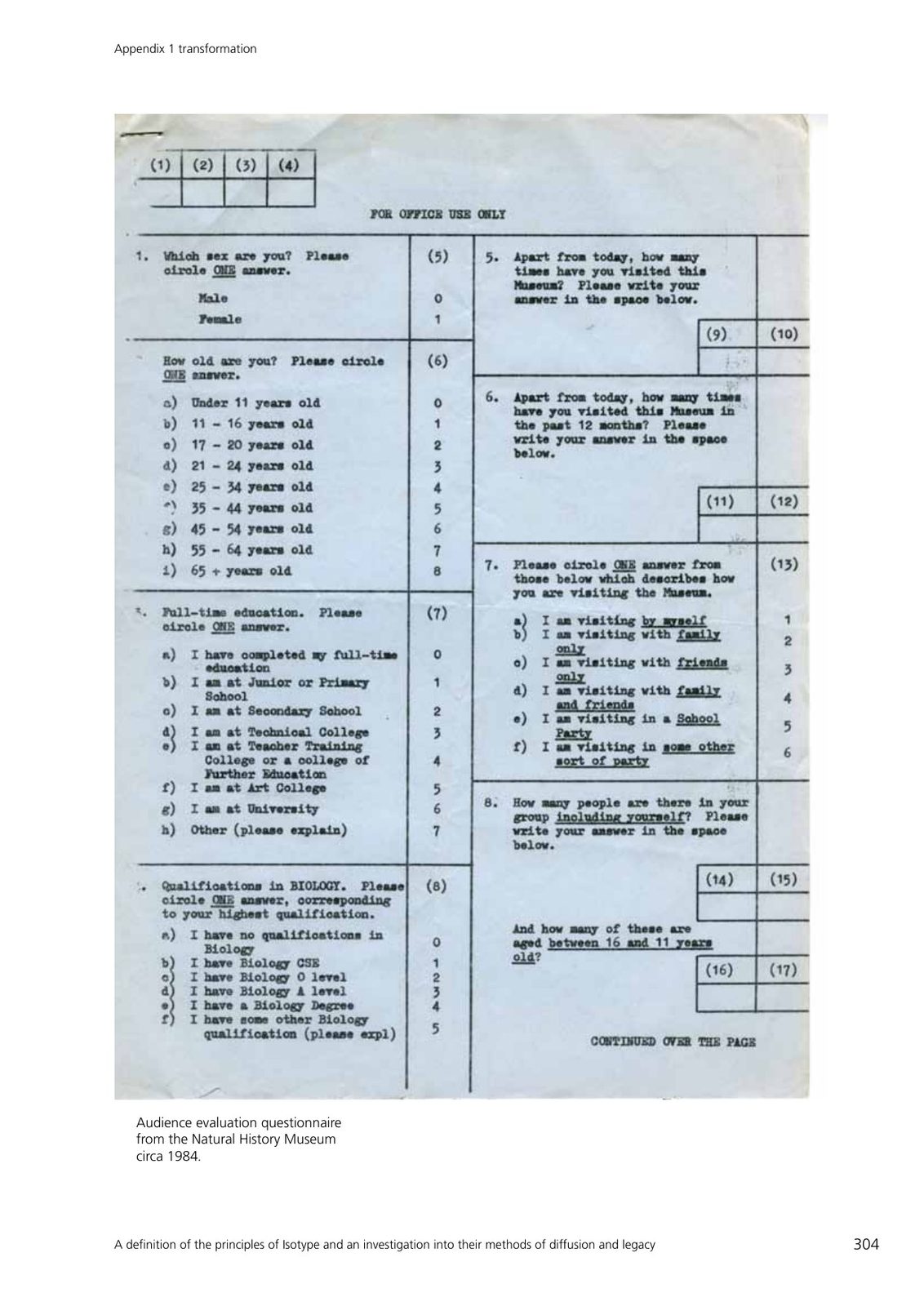
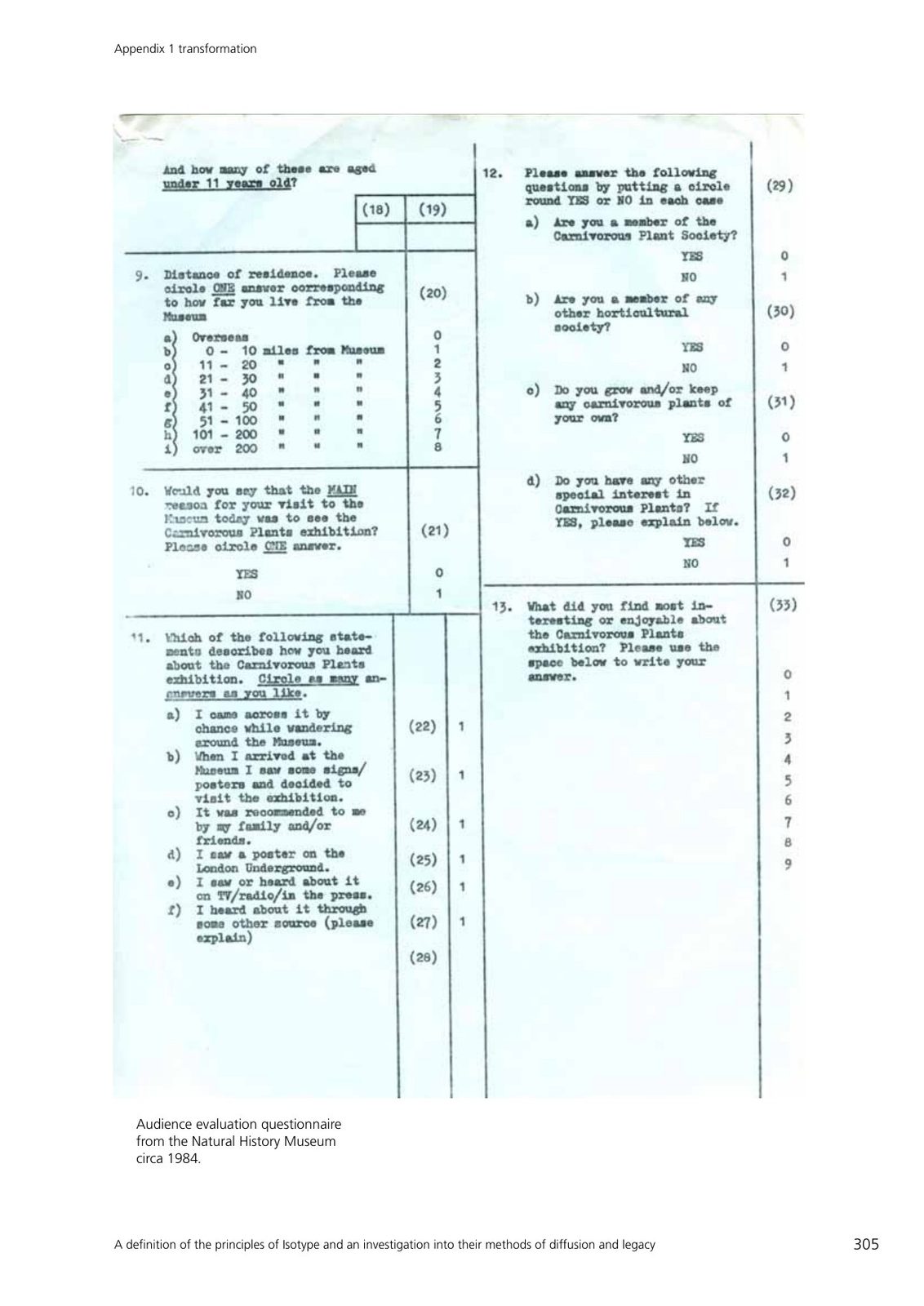
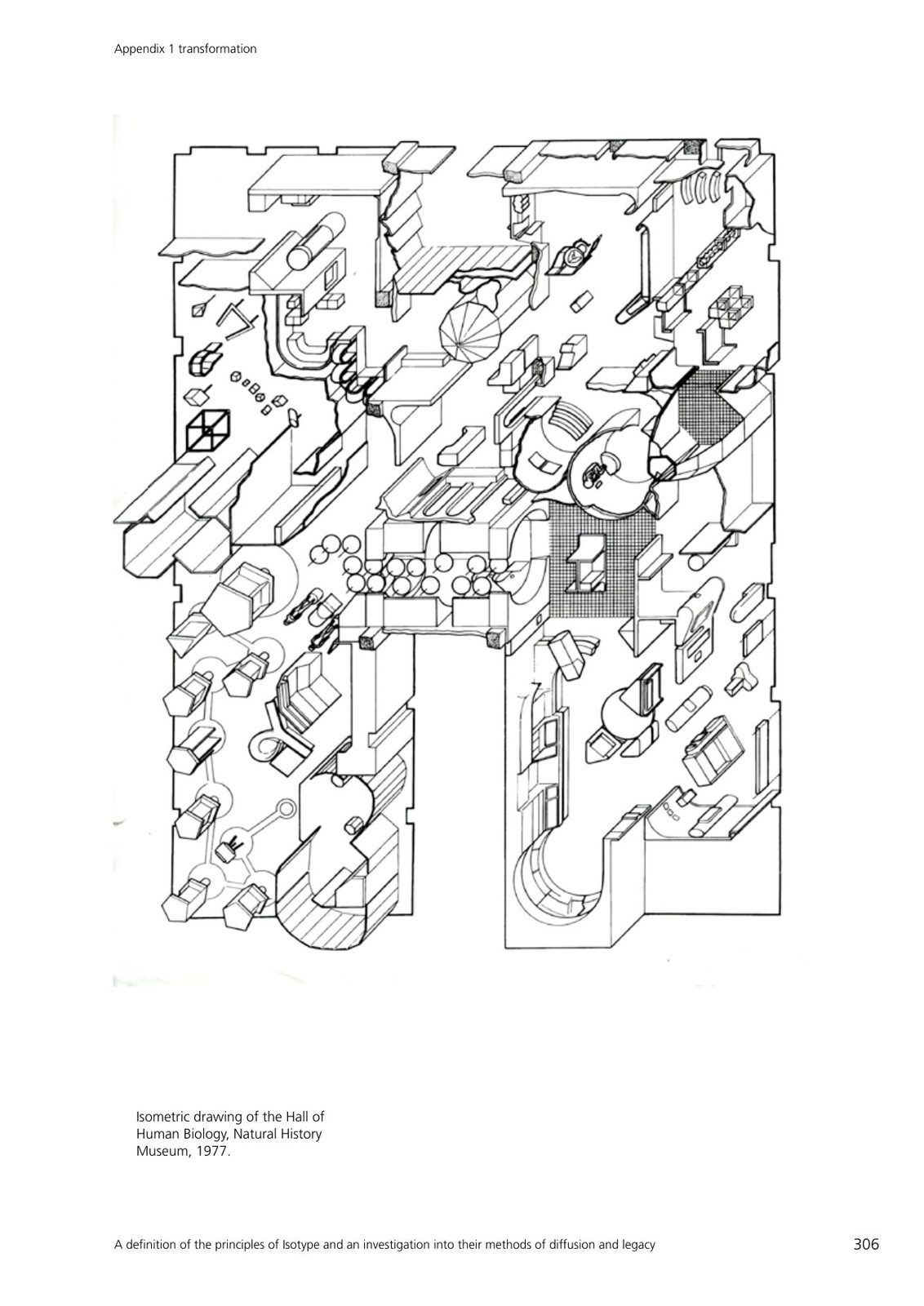
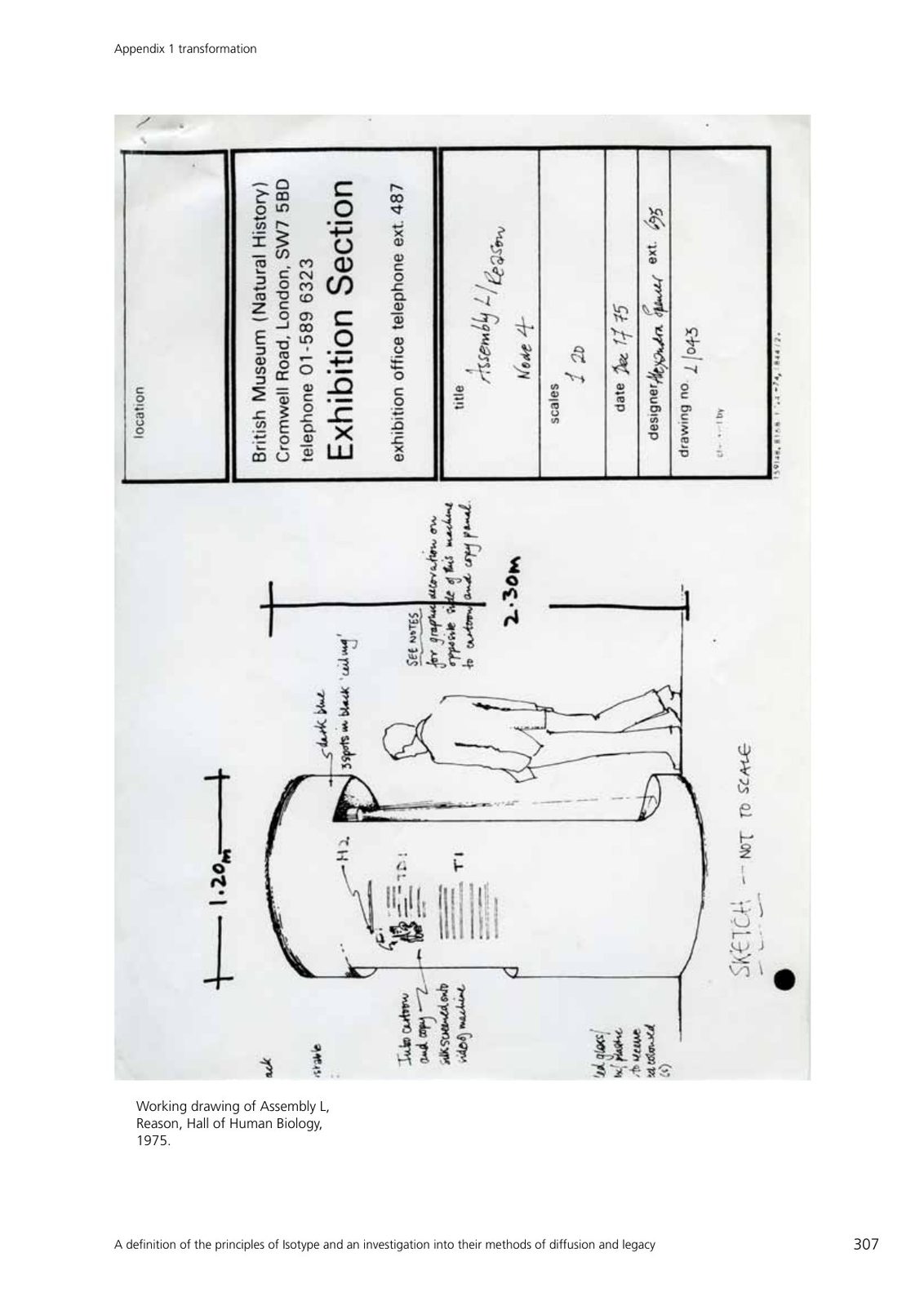
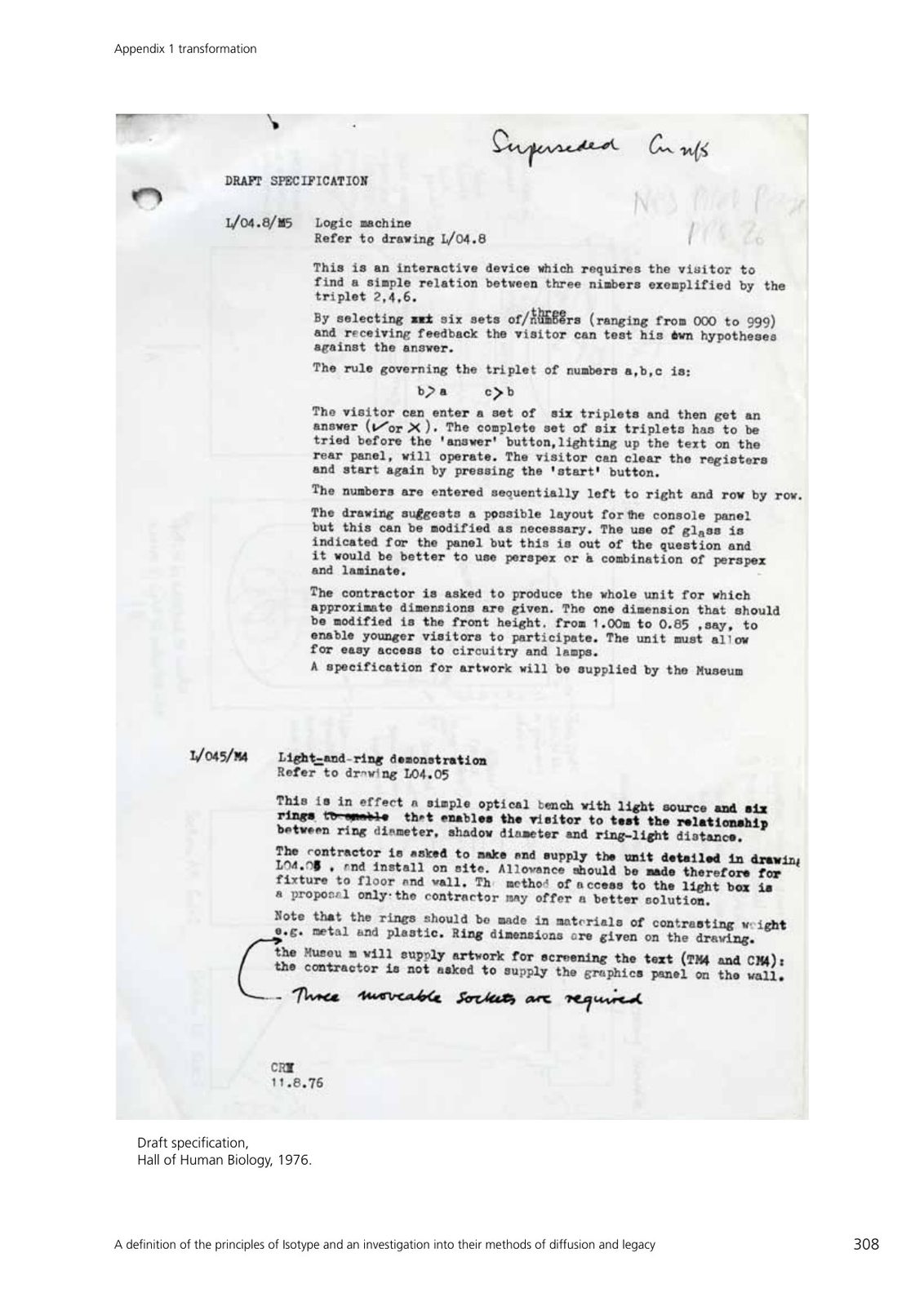
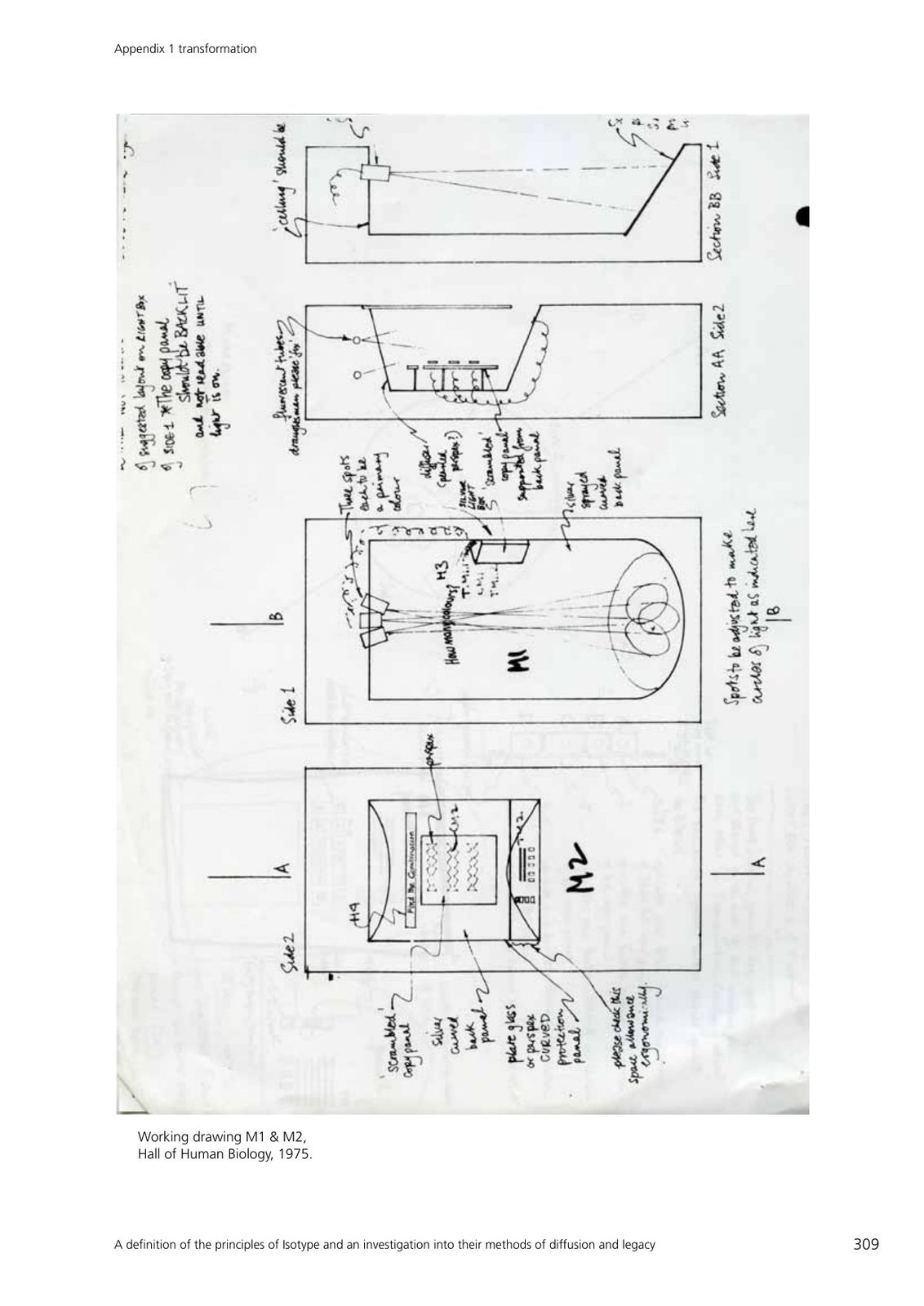
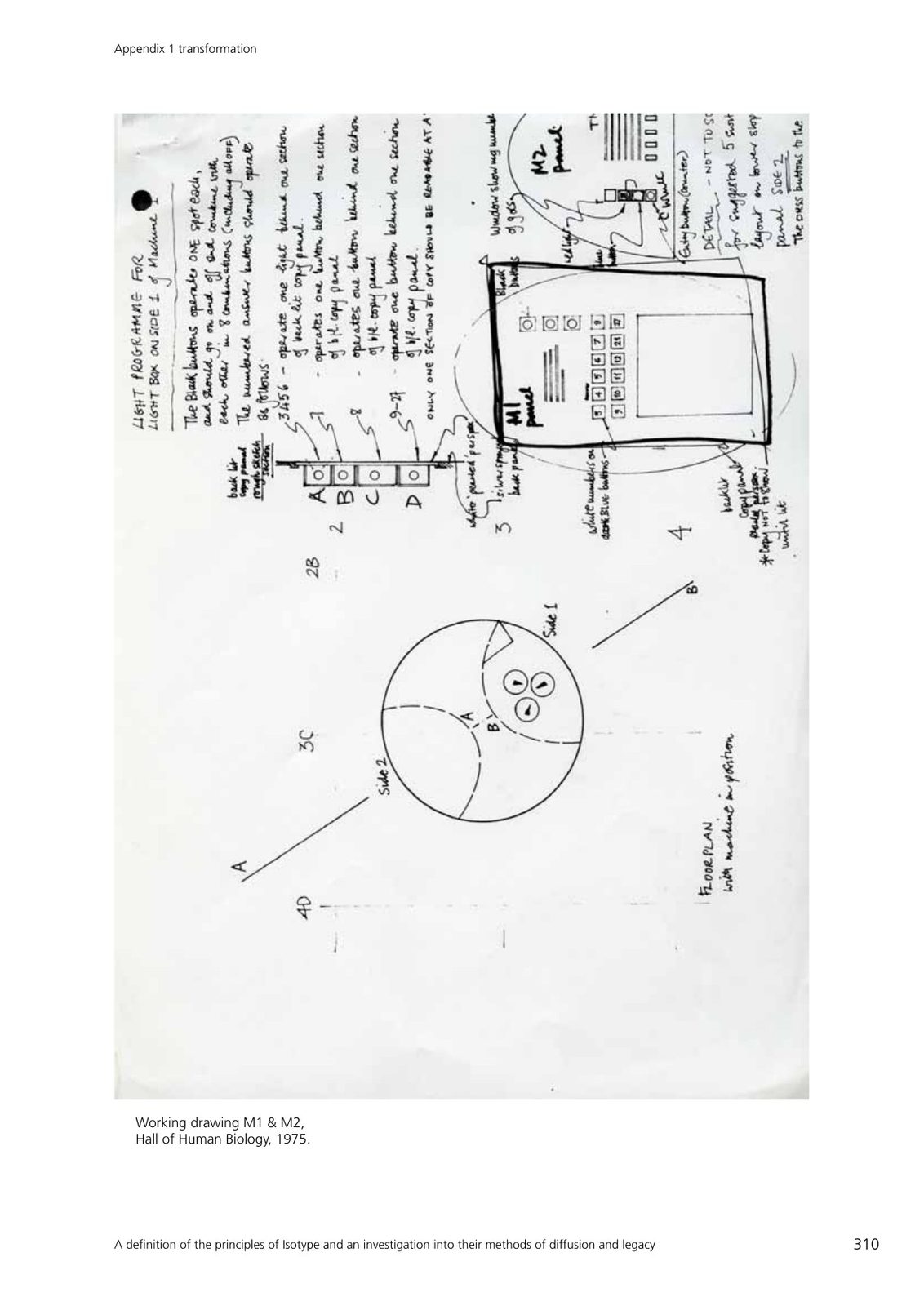
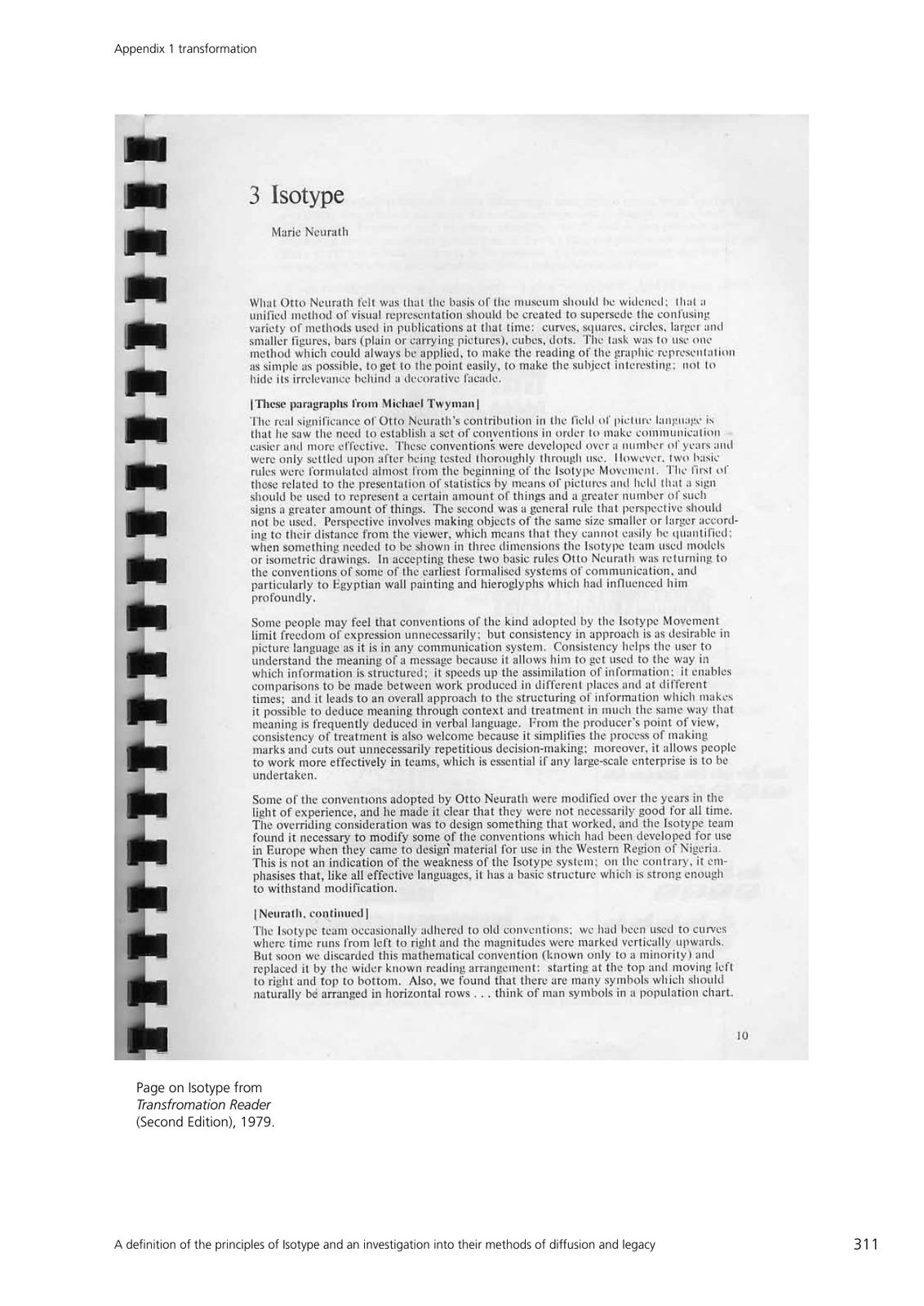
The first case study is based on the Natural History Museum’s New Exhibition Scheme (NES).
During the 1970s, Roger Miles adopted the principle of transformation to attempt to restore
user-friendly design to an institution at risk of losing touch with its audience. Using Nigel
Holmes of Explanation Graphics (New York) as a paradigm of contemporary information
design, the second case
Archive ID re-article-pdf-legacy-isotype-sueperks-copy-2 · Deep zoom and record · Request removal